

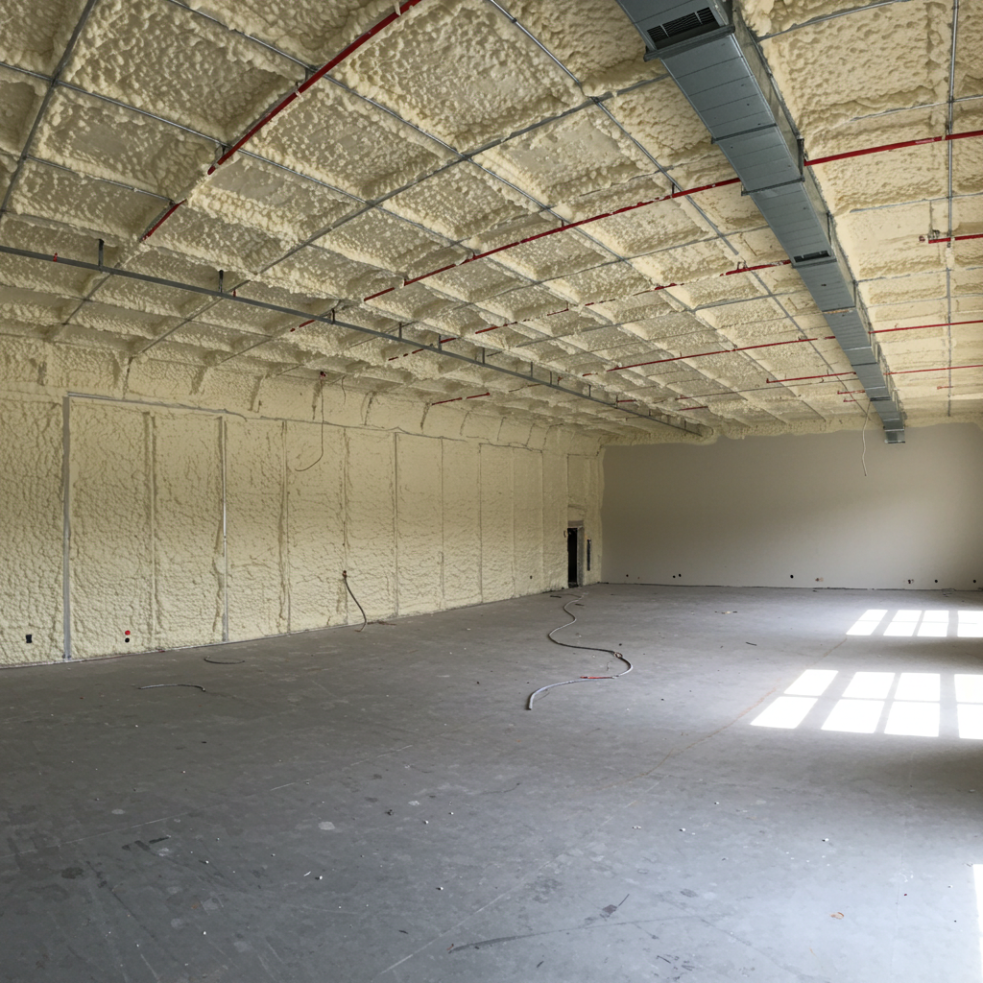
Protect your herd from the biting Oregon cold with climate-controlled solutions that prevent winter livestock illness creating a cozy, draft-free barn environment where your animals thrive despite the freezing weather. Implementing high-performance agricultural spray foam insulation transforms drafty, inefficient outbuildings into climate-controlled assets that safeguard your livelihood across the Tigard and surrounding areas. This advanced solution delivers far more than simple temperature regulation by sealing out moisture, reinforcing structural integrity, and creating a significantly healthier environment for everything you grow and raise.
Running a successful agricultural operation requires meticulous control over your environment, yet many metal buildings and pole barns suffer from extreme temperature fluctuations and condensation issues. Professional agricultural insulation services address these specific challenges by applying materials that conform to every curve and crevice of your structure. This seamless barrier prevents the intrusion of outside air and stops the internal sweating that often leads to rust, mold, and crop spoilage.
Modern agricultural structures demand high-performance solutions that traditional fiberglass simply cannot provide, especially in the face of the humidity common in the Pacific Northwest. By using advanced application methods, we ensure your facility maintains stable internal temperatures regardless of the weather outside. This level of climate control is essential for preserving production yields and extending the lifespan of your building infrastructure.
The material selection for farm structures is critical, and closed cell spray foam stands out as the premier choice for agricultural building insulation. This dense, rigid material acts as a powerful insulator with a high R-value per inch, but its benefits extend beyond thermal resistance. Closed cell foam adds significant structural strength to walls and roofs, effectively gluing the building together and making it more resistant to high winds and heavy snow loads.
For homeowners seeking the same moisture control and energy efficiency inside living spaces, residential spray foam insulation offers a proven solution for year-round comfort.
In addition to the foam itself, incorporating vapor barriers and radiant barriers creates a multi-layered defense system for your facility. A vapor barrier is essential for preventing moisture migration through walls, while radiant barriers reflect radiant heat away from the building during the summer months. Combining these elements ensures that your storage facilities and livestock shelters remain dry and cool in the summer and warm in the dry winter, maximizing the utility of every square foot.
Comparison of Agriculture Insulation Materials
Feature | Closed Cell Spray Foam | Traditional Fiberglass Batts |
Moisture Resistance | Impermeable (Waterproof) | Absorbs moisture (Promotes mold) |
Air Sealing | Complete air seal | Gaps allow air leakage |
Structural Integrity | Adds up to 300% racking strength | Adds no structural strength |
Pest Deterrence | Hard, unappealing food source | distinct nesting material |
Longevity | 80+ years | 10-15 years (often sags) |
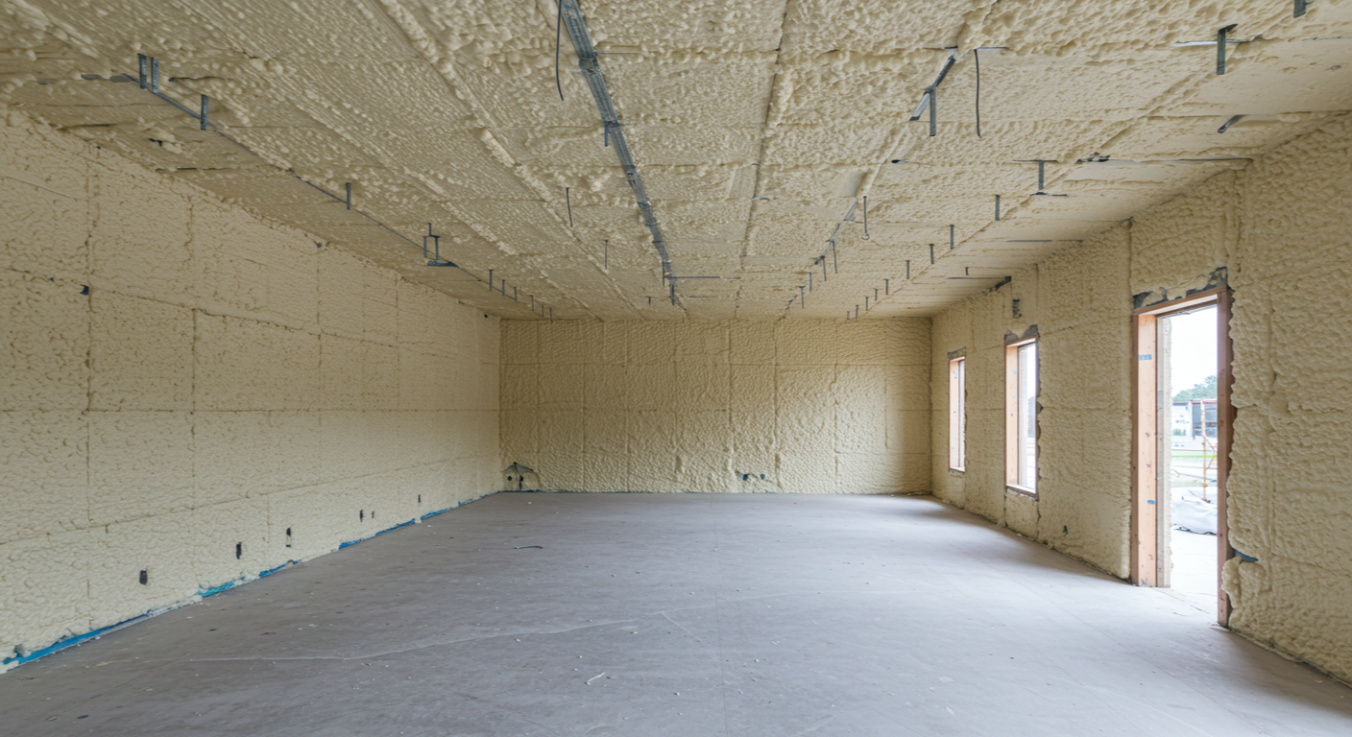
Investing in superior insulation technology delivers immediate operational savings and long-term asset protection. The benefits of spray foam for farms go beyond simple utility bill reductions, impacting the daily health and efficiency of your entire operation. A properly insulated building requires less energy to heat and cool, allowing mechanical systems to run less frequently and last longer.
Different farm buildings serve unique functions, and the insulation strategy must match the specific needs of the application. Insulation for agricultural buildings is not a one-size-fits-all approach; it requires tailoring the depth and type of spray foam to the particular goals of the structure, whether that is keeping potatoes from freezing or preventing heat stress in dairy cows. We use precise tools and application techniques to ensure comprehensive coverage in even the hardest-to-reach areas, including high ceilings and corrugated metal walls.
We provide specialized insulation applications for the following structures:
Energy costs represent a massive line item for any agricultural business, particularly those relying on climate-controlled storage or livestock housing. Energy efficiency with agricultural spray foam is achieved by creating a monolithic thermal envelope that eliminates thermal bridging. In this phenomenon, heat escapes through the conductive metal framing of a building. According to industry statistics, air leakage can account for up to 40% of a building's energy loss, a problem that spray foam completely resolves by expanding to fill gaps.
Moisture-resistant insulation for farms is also vital for energy efficiency because wet insulation loses its ability to hold heat. Unlike fiberglass, which loses its R-value when damp, closed-cell foam repels water and maintains its high performance for the life of the building. This permanent efficiency means your heating and cooling equipment does not have to work as hard, resulting in lower monthly overhead and a smaller carbon footprint for your farm.
The agricultural sector in Tigard faces distinct challenges due to the region's high rainfall and humidity levels. Standard insulation often fails here because it absorbs moisture from the air, becomes heavy, sags, and eventually fosters toxic mold growth that can harm livestock and ruin crops. Our local approach prioritizes the use of closed-cell foam because it acts as a certified vapor retarder, specifically engineered to handle the persistent dampness of the Pacific Northwest.
We recognize that a barn in the Willamette Valley experiences different environmental stressors than one in a dry desert climate. The constant cycle of this weather and occasional freezing temperatures can wreak havoc on metal structures if condensation is not managed correctly. By applying a seamless barrier of spray foam, we prevent the warm, moist air inside the barn from contacting cold metal surfaces, effectively eliminating the condensation cycle that leads to premature building rust and decay.
Protect your livestock, crops, and equipment with the most durable insulation solution available on the market. Call Spray Foam Specialists at (971) 777-7729 or email [email protected] to schedule your site assessment and secure your agricultural investment.
Spray foam provides a complete air and moisture seal that prevents condensation and rust, whereas fiberglass absorbs moisture and creates nesting grounds for rodents.
Yes, closed-cell spray foam is designed to adhere aggressively to metal panels, adding structural strength and preventing "sweating" or condensation inside the building.
Once the spray foam has fully cured and off-gassed (typically within 24 to 48 hours), it is inert, non-toxic, and safe for housing all types of livestock.
Closed-cell spray foam is an indefinite solution that does not sag or settle, typically lasting the lifetime of the building without needing replacement.
Closed-cell foam is rigid, durable, and waterproof, allowing you to pressure wash the interior of your animal shelters without damaging the insulation.