

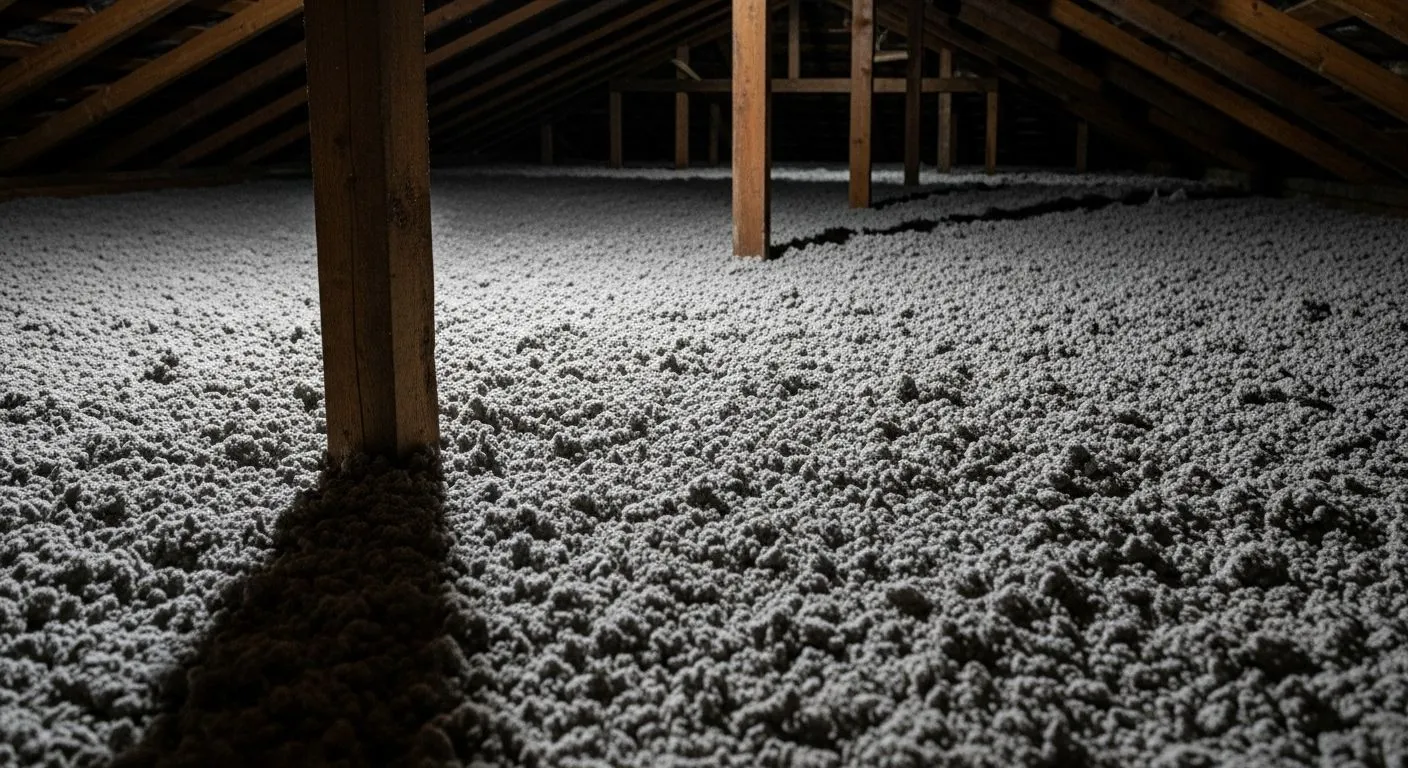
Is your heating system working overtime to fight the Pacific Northwest cold? Stop stepping onto freezing floors and start saving on energy bills with a high-efficiency furnace upgrade that eliminates home drafts You deserve a living space that functions as a true sanctuary, maintaining a consistent, comfortable temperature regardless of the unpredictable weather outside. We, as an expert blown-in insulation contractor transforms your property into an energy-efficient fortress, drastically reducing utility costs while creating a healthier, quieter environment for families in Tigard and surrounding areas.
Modern energy efficiency demands materials that work harder and last longer than traditional solutions. Loose-fill cellulose insulation represents the pinnacle of eco-friendly thermal protection, utilizing ground recycled newspaper treated with advanced borate fire retardants. This material does more than just sit in your attic; it actively forms a dense, protective blanket that fills every nook and cranny, eliminating the gaps with air sealing that often plague standard batt insulation. By utilizing recycled paper, this solution reduces landfill waste while lowering the carbon footprint of your home, making it a responsible choice for the environmentally conscious homeowner.
The density of this material is a key factor in its superior performance. Unlike lighter materials that might leave gaps around wiring, pipes, or irregular framing, loose-fill cellulose settles into a comprehensive barrier. This seamless coverage prevents air infiltration, which is a primary source of energy loss in residential structures. Homeowners effectively upgrade their property with a product that resists settling over time, ensuring that the R-value remains consistent for decades.
When evaluating thermal performance, many property owners look closely at the blown-in foam insulation R-value and compare it against cellulose options. While spray foams are known for high thermal resistance, high-density loose-fill cellulose offers a highly competitive R-value that often exceeds standard fiberglass options (approximately R-3.2 to R-3.8 per inch). This dense packing capability means that cellulose can achieve exceptional thermal resistance in tighter spaces, slowing heat transfer significantly.
It is important to consider that insulation measures more than just heat retention; it also involves thermal mass. Cellulose has a higher density than many other insulation types, which allows it to hold heat longer and release it more slowly. This thermal lag helps smooth out temperature spikes during hot Tigard summers and maintains warmth during freezing winter nights. According to the U.S Department of Energy, properly insulating your home can reduce heating and cooling costs by up to 20%, underscoring the financial necessity of choosing the right R-value material.
Investing in high-quality insulation yields immediate and long-term returns for any property. This service offers numerous advantages beyond simple temperature control.
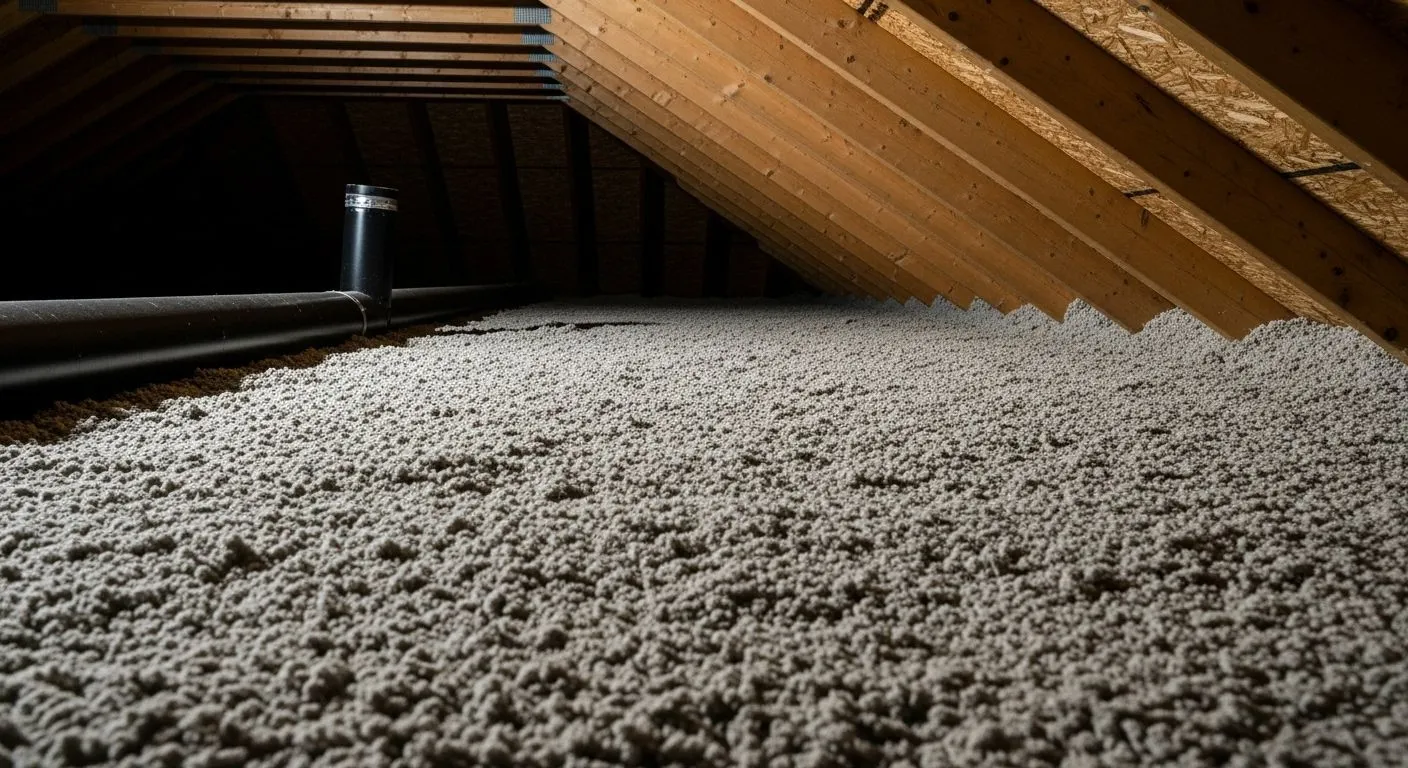
Effective blown-in insulation requires precise placement in the areas where heat loss is most prevalent. This service targets the critical envelope of your home to ensure a sealed and efficient environment.
Safety is a paramount concern for any building material introduced into a home. The ground recycled newspaper used in this process undergoes a rigorous treatment with borate, a naturally occurring mineral. This additive serves a dual purpose: it acts as a powerful fire retardant and a preservative. In the event of a fire, the borate releases moisture, effectively extinguishing surface flames and preventing the insulation from becoming fuel.
Beyond fire safety, borate treatment provides exceptional resistance against biological growth. In humid environments, mold and mildew can compromise indoor air quality and structural integrity. The chemical properties of the treated cellulose create an environment that inhibits fungal growth. This results in a healthier indoor atmosphere, free from the airborne spores that often plague homes with inferior or water-damaged insulation.
Feature | Blown-In Cellulose | Fiberglass Batts |
Coverage Quality | Fills gaps, voids, and irregular shapes completely | Prone to gaps around wiring and pipes |
Air Sealing | Excellent density reduces air infiltration | Poor air sealing capabilities |
Fire Resistance | High (Chemically treated to self-extinguish) | Non-combustible, but can melt |
Sound Proofing | Superior density blocks noise transmission | Moderate sound absorption |
Eco-Impact | High (recycled content) | Moderate (energy-intensive production) |
The Tigard area presents unique climatological challenges, characterized by wet winters and increasingly warm, dry summers. Standard insulation often fails to account for the persistent humidity levels found in the Pacific Northwest. Blown-in cellulose is particularly well-suited for this region because of its hygroscopic nature. It can effectively manage local humidity levels, preventing condensation that often leads to "weeping windows" and structural rot in Tigard homes.
Furthermore, the housing stock in Tigard varies from historic craftsman homes to modern new builds. Retrofitting older wall cavities with blown-in insulation enables owners of historic properties to meet modern energy standards without compromising their walls' architectural character. Understanding these local structural nuances ensures that every installation maximizes efficiency while preserving the home's integrity.
Stop letting your hard-earned money escape through poorly insulated walls and attics. Spray Foam Specialists delivers the expertise and premium materials required to upgrade your comfort and lower your carbon footprint. Contact us now to schedule a comprehensive assessment and discover how blown-in insulation contractor can revolutionize your living space.
Phone: (971) 777-7729
Email: [email protected]
When installed correctly, cellulose insulation can last for 20 to 30 years or more without significant degradation, assuming it is kept dry and undisturbed.
Modern dense-pack installation techniques and high-quality materials minimize settling, ensuring the R-value remains stable and effective throughout the product's lifespan.
Yes, borate is a naturally occurring mineral with low toxicity to humans and pets, used primarily to prevent fire, mold, and pests within the wall cavities.
Yes, in many cases, loose-fill cellulose can be blown directly over existing fiberglass batts to increase the total R-value and fill gaps left by the previous installation.
Absolutely, the high density of packed cellulose makes it an excellent sound absorber, significantly reducing traffic noise and sound transmission between rooms.