

Picture the gray, diffused light of a wet Pacific Northwest dawn. You slide out of the warmth of your sheets, your bare feet meeting the shock of the ice-cold floor, and suddenly realize
your heating system has been running all night just to keep the chill at bay. This common scenario highlights the critical need for a thermal barrier that does more than just fill space; it requires a solution that actively seals and protects your property from the elements. Installing closed-cell spray foam insulation transforms your structure into a highly efficient, airtight environment that repels moisture and retains heat, resulting in immediate comfort and long-term savings. Residents and business owners in Tigard and surrounding areas can finally experience true climate control, improved indoor air quality, and distinct structural advantages that go far beyond standard insulation methods.
Closed-cell spray foam represents the pinnacle of modern insulation technology, offering a density and rigidity that other materials simply cannot match. Unlike traditional fiberglass or cellulose, this robust polyurethane material expands to fill every crack, crevice, and void before hardening into a solid, durable mass. This unique characteristic creates a complete air seal that prevents conditioned air from escaping and stops unconditioned outdoor air from entering. The result is a dramatic reduction in HVAC system workload, extending the lifespan of heating and cooling units while maintaining a consistent internal temperature regardless of the weather outside.
The dense structure of this insulation type provides exceptional resistance to water absorption, making it an ideal choice for areas prone to flooding or high humidity. Because the cells within the foam are tightly packed and fully closed, they do not allow water to soak in or pass through, effectively acting as a secondary water barrier for the building envelope. This moisture resistance is crucial for preventing the growth of mold and mildew within wall cavities, protecting both the structural wood framing and the health of the building's occupants.
Property owners seeking the highest possible thermal resistance per inch of thickness will find the closed-cell spray foam insulation R-value to be superior to almost all other options. With an R-value that typically ranges between R-6 and R-7 per inch, this material delivers powerful insulating performance even in spaces with limited depth, such as shallow stud walls or cathedral ceilings. This high thermal resistance minimizes heat transfer, ensuring that energy paid for remains inside the building.
Industry Fact: According to the U.S. Department of Energy, air leakage can account for up to 40% of the energy cost to heat and cool a typical building. Closed-cell foam eliminates this leakage almost entirely.
Beyond the raw R-value, the energy efficiency with closed-cell spray foam is amplified by its ability to eliminate thermal bridging. When applied continuously, it covers conductive building materials like steel studs or fasteners that typically transfer heat out of the building. This comprehensive coverage creates a monolithic thermal envelope that significantly lowers utility bills. By sealing the building so effectively, owners often see a return on investment through energy savings much faster than with traditional insulation methods.
Feature | Closed Cell Spray Foam | Open Cell Spray Foam | Traditional Fiberglass |
R-Value per Inch | High (R-6 to R-7) | Medium (R-3.5 to R-4) | Low (R-2.2 to R-2.7) |
Moisture Barrier | Yes (Impermeable) | No (Permeable) | No (Absorbs Water) |
Structural Strength | Adds Rigidity | No Structural Gain | No Structural Gain |
Texture | Rigid/Hard | Soft/Spongy | Fibrous/Batts |
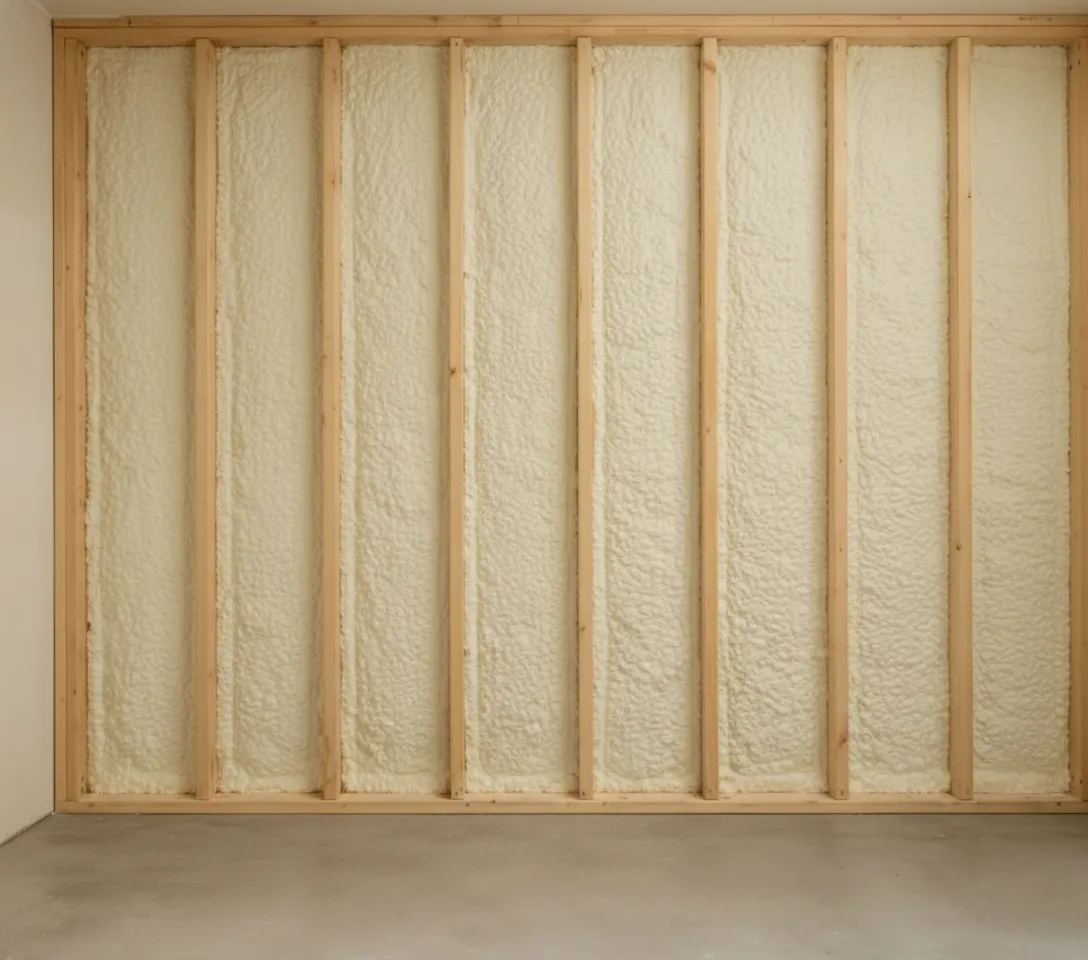
The versatility of this material allows it to be used effectively in a wide variety of residential, commercial, and agricultural settings. Because it is rigid and water-resistant, the best applications for closed-cell spray foam include areas that are exposed to harsh conditions or require additional structural support. It adheres tenaciously to wood, metal, masonry, and concrete, making it the preferred choice for complex architectural designs and utilitarian structures alike.
Specifically, Spray Foam Specialists utilizes this high-performance material for the following placements:
One of the most overlooked benefits of closed-cell spray foam is its ability to strengthen the building it insulates physically. Due to its rigid nature and strong adhesion properties, the foam glues the building materials together, essentially creating a composite system. This can significantly increase the racking strength of walls and roofs, making the structure more resistant to high winds and heavy snow loads. This added durability is a major advantage for agricultural buildings and large commercial facilities that face significant environmental stress.
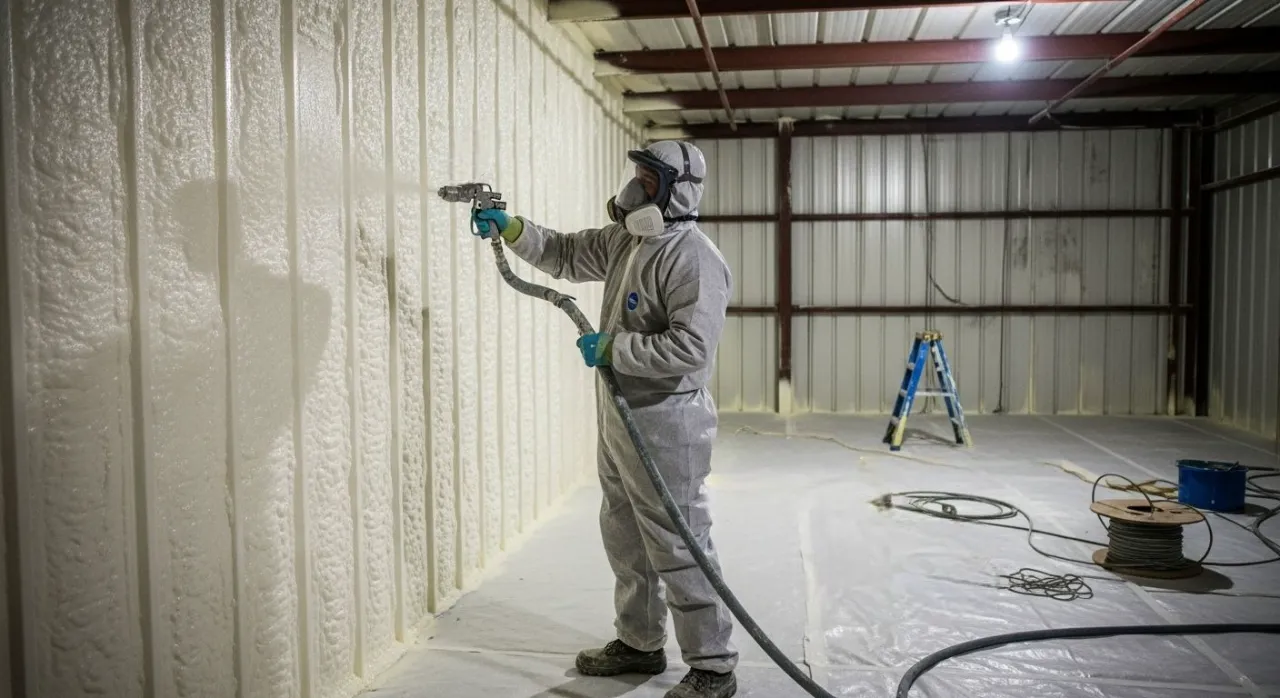
Executing a flawless closed-cell foam insulation installation requires precision, specialized equipment, and a deep understanding of chemical reactions. The process involves mixing two liquid components at exact temperatures and pressures, which then react on the surface to expand and cure. A professional application ensures consistent thickness, proper adhesion, and the avoidance of off-ratio mixing that can compromise performance. Relying on an experienced closed-cell spray foam contractor guarantees that the material is applied safely and performs to its maximum potential for decades.
For interior walls and attic spaces where flexibility, sound control, and breathability are important, open-cell spray foam is an effective alternative insulation solution.
When evaluating insulation options, it is helpful to look at the specific advantages that closed-cell foam brings to a project. This material offers a comprehensive solution that addresses thermal, structural, and moisture-related concerns simultaneously.
In the Tigard area, moisture management is just as important as heat retention. The constant rainfall and high humidity levels create a unique challenge for local buildings, where water vapor constantly tries to penetrate the building envelope. Closed-cell spray foam insulation acts as a formidable shield against this specific regional climate challenge. By creating a seamless, waterproof barrier, it prevents the damp accumulation that leads to "sick building syndrome" and structural rot.
Property owners in Tigard and the surrounding areas benefit immensely from this localized protection. Whether it is a retrofitted crawl space in an older home or a new commercial metal building, the application of closed-cell foam ensures that the damp Pacific Northwest climate stays outside. This proactive approach to moisture control protects the property's investment and provides a dry, healthy interior environment year-round.
Upgrade your property with the most durable and efficient insulation solution available on the market. Contact Spray Foam Specialists at (971) 777-7729 or email [email protected] to schedule an assessment. Secure your comfort and protect your structure with professional spray foam services.
Closed cell is a rigid, high-R-value vapor retarder used for moisture resistance and structural strength. Open cell is a breathable, high-expansion foam used as a cost-effective air barrier for insulating attics and walls
Closed cell spray foam is an inert polymer that does not degrade, settle, or lose its R-value over time. When properly installed and protected from direct sunlight, it can last for the life of the building.
Yes, it is excellent for metal buildings as it adheres directly to the metal surface, stopping condensation issues and adding structural rigidity to the metal panels.
Once the foam has cured (usually within 24 to 48 hours), it is chemically inert and safe for occupants. It also improves indoor air quality by sealing out allergens, pollutants, and dust.
Generally, yes. To achieve a proper air seal and adhesion, old fiberglass or cellulose insulation should be removed so the foam can be applied directly to the substrate/studs.