

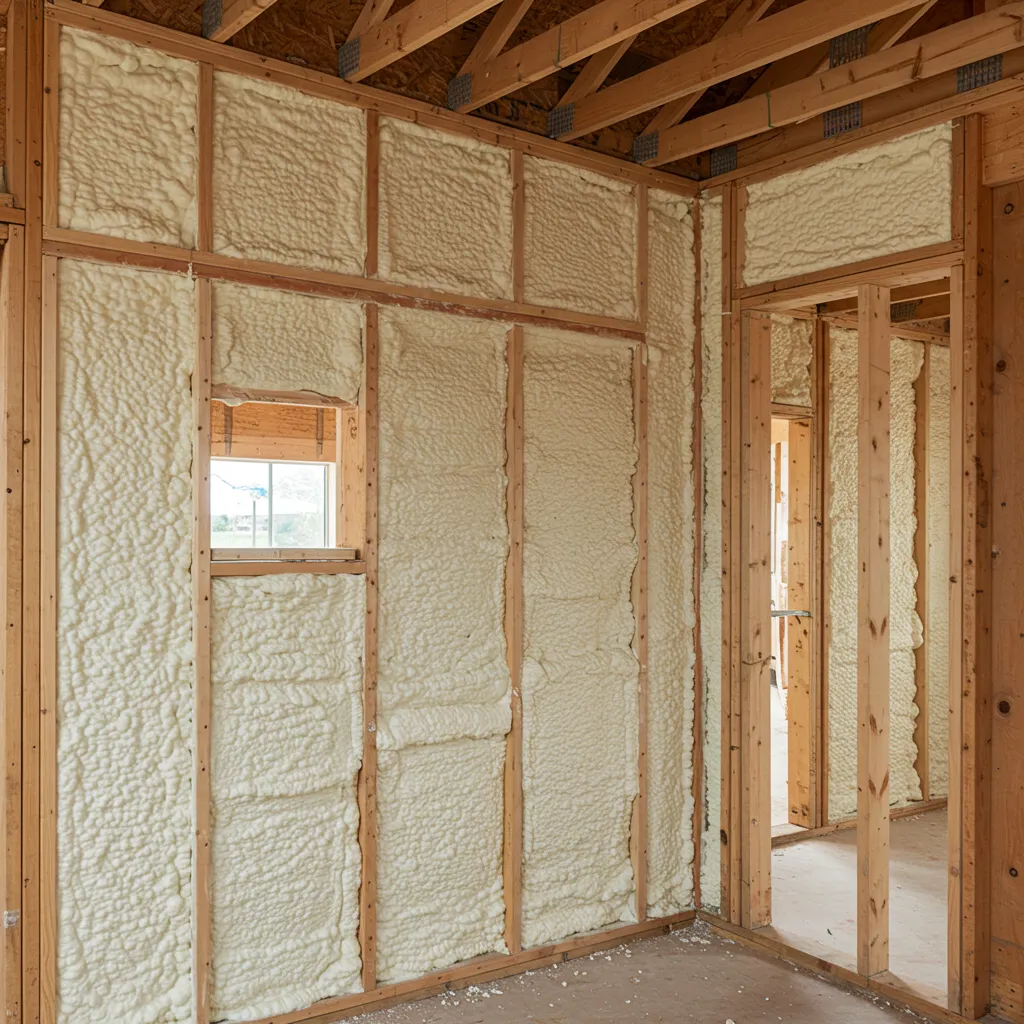
There is nothing worse than that bone-deep Pacific Northwest chill waiting for you when you wake up. You step onto a freezing floor, only to realize your furnace ran all night without actually heating the house. This common scenario plagues many homeowners who rely on outdated or inefficient fiberglass batting that sags and gaps over time, letting precious heat escape. Upgrading to open-cell spray foam insulation creates a seamless thermal envelope that transforms your living space into a consistent sanctuary of comfort, regardless of the weather outside. Spray Foam Specialists delivers this advanced solution to Tigard and surrounding areas, helping you reclaim control over your indoor climate while significantly reducing monthly energy expenditures. Beyond simple temperature control, this upgrade represents a long-term investment in the structural health of your property and the respiratory well-being of everyone inside.
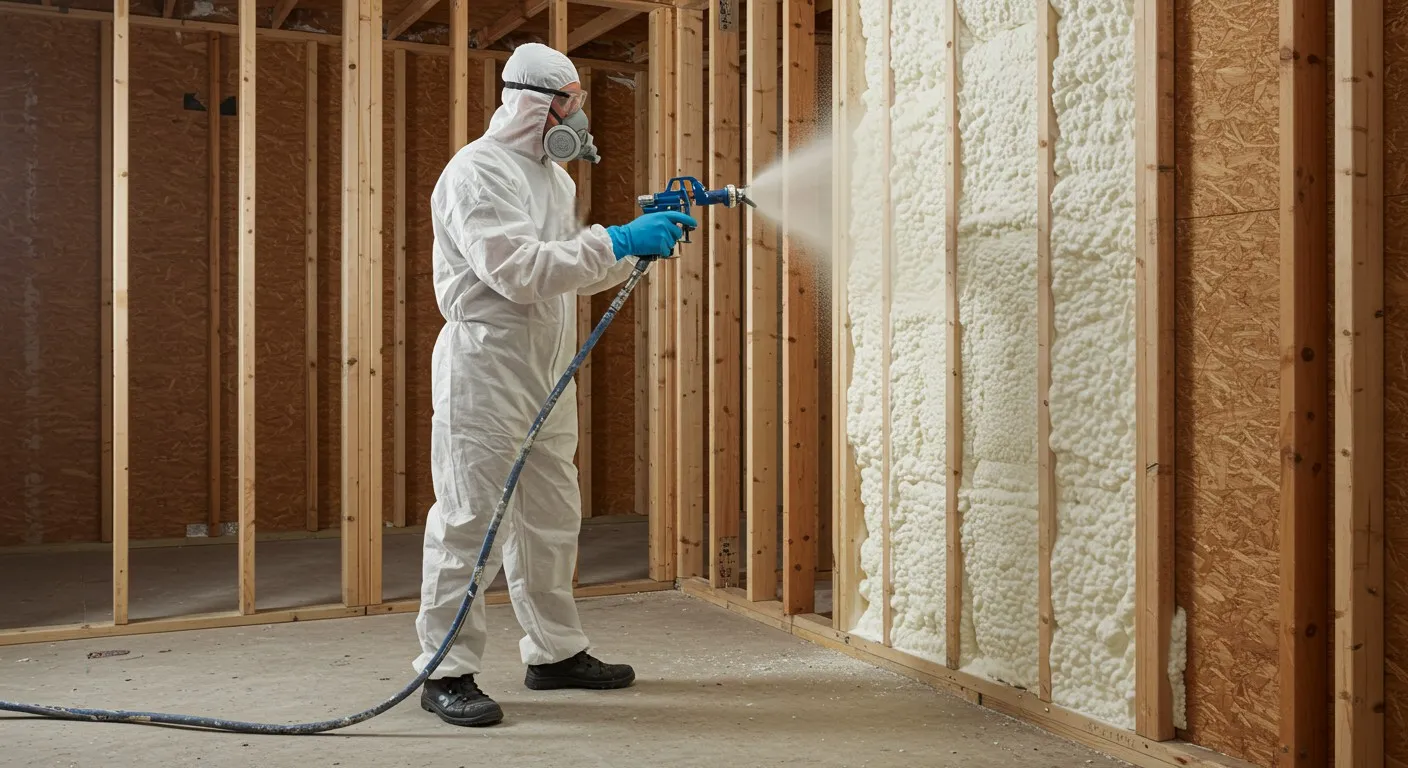
The process of open cell foam insulation involves a sophisticated application of polyurethane foam that expands rapidly upon contact with the substrate. Unlike traditional materials that must be cut and stuffed into cavities, this foam expands approximately 100 times its original volume within seconds. This massive expansion allows the material to fill every nook, cranny, and irregular gap behind your walls, creating an airtight seal that drafts simply cannot penetrate. This air-sealing capability is responsible for a massive portion of the energy savings, as the U.S. Department of Energy estimates that air leakage accounts for up to 40% of the energy cost to heat and cool a home.
Selecting a qualified open-cell spray foam contractor ensures that the chemical reaction occurs at the precise temperature and pressure required for optimal adhesion. The resulting foam is lightweight and pliable, making it an excellent choice for areas where the building materials might shift or settle slightly over time. Because the foam remains flexible, it maintains its seal without cracking or pulling away from the framing, keeping the thermal barrier intact for the building's lifespan. This method provides a level of coverage that pre-cut insulation batts simply cannot match, eliminating the voids where condensation often forms.
Investing in high-performance insulation offers immediate and cumulative advantages for property owners. Because the material serves as both an insulator and an air barrier, it tackles multiple building performance issues simultaneously. Below are the key advantages of choosing this material for your property:
The versatility of spray foam allows it to be utilized effectively in various parts of a building. Whether tackling a new construction project or retrofitting an existing property, the material adapts to the structure's unique shape. Spray Foam Specialists applies this technology to a specific list of places to maximize efficiency:
When discussing polyurethane foam types, it is important to note that while open-cell is known for its flexibility, the chemical engineering behind it creates a product that is durable and chemically stable. Modern formulations can be engineered to be high-density enough to stay in place permanently, and water-resistant enough to withstand occasional humidity. However, they differ from the rigid nature of closed-cell foam.
For projects that demand higher R-value, structural rigidity, and superior moisture control, closed-cell spray foam is the more suitable insulation option.
One of the most distinct characteristics of this insulation type is its acoustic performance. If you are searching for an open-cell foam contractor specifically for noise control, this material is the superior choice. The cellular structure of open cell foam is inherently porous and low-density, which traps sound waves and dissipates their energy rather than reflecting them. This makes it an exceptional solution for media rooms, bedrooms, or offices where privacy and quiet are paramount.
When applied to interior walls, the foam dampens the vibration transfer between drywalls. In a busy household or a commercial building in the Tigard area, this sound-dampening creates a noticeable difference in the quality of life. Unlike rigid foam, which can sometimes conduct impact noise, the softer open-cell material breaks the path of sound, effectively muffling traffic noise from outside or the sound of plumbing and conversation between rooms inside.
Homeowners often struggle with the choice of open cell or closed cell foam insulation. While both are composed of polyurethane, their applications differ based on the specific needs of the project. Closed cell foam is dense, rigid, and acts as a vapor barrier, whereas open cell foam is breathable and lighter. A significant factor in the decision is often the open cell foam insulation R-value, which is typically around R-3.5 to R-3.8 per inch, compared to the higher R-value of closed cell. However, because open cell is more affordable, a thicker layer can often be installed to achieve the same total thermal resistance for a lower cost.
Feature | Open Cell Spray Foam | Closed Cell Spray Foam |
Structure | Soft, flexible, sponge-like | Rigid, hard, structural |
Expansion | High (approx. 100x) | Low (approx. 30-40x) |
Permeability | Vapor permeable (breathable) | Vapor semi-impermeable |
Soundproofing | Excellent acoustic absorption | Moderate sound reduction |
Cost | More cost-effective | Higher cost per board foot |
The climate in Tigard and the surrounding areas presents unique challenges that require thoughtful insulation strategies. The region deals with high humidity and significant rainfall, combined with chilly winters and increasingly warm summers. Standard insulation often fails here because it absorbs moisture from the damp air, which compresses the material and ruins its insulating value.
Using open-cell spray foam in this climate is effective because it allows for bi-directional drying. If moisture does enter a wall assembly, open-cell foam allows it to dry inward or outward, rather than trapping it against the wood studs, which could lead to rot a common issue with improperly installed vapor barriers in the Pacific Northwest. Furthermore, the air-sealing properties prevent the "stack effect," in which warm air rises and escapes through the attic while pulling in damp, cold air from the crawlspace. By sealing the building envelope, the HVAC system can easily maintain consistent humidity and temperature levels, protecting the home from mold and mildew issues prevalent in the region.
Stop letting your money escape through your walls and start enjoying a quieter, more comfortable environment today. Spray Foam Specialists provides precision installation services tailored to your specific building requirements.
Contact Spray Foam Specialists today at (971) 777-7729 or email [email protected] to schedule your consultation.
This insulation is designed to last for the life of the building, typically 80 years or more, without shrinking, sagging, or needing replacement.
Yes, it is commonly applied to the underside of roof decks in attics to create a conditioned space, preventing heat buildup and protecting stored items.
While it is not waterproof and can absorb water if a leak occurs, it is hydrophobic enough to prevent mold growth and allows water to drain and dry out, unlike fiberglass, which stays wet.
No, the foam does not provide a food source for rodents or insects, and because it seals small gaps, it actually helps prevent pests from entering the home.
Open-cell foam expands significantly more than closed-cell foam, meaning less raw chemical material is required to fill the same-sized cavity, reducing overall material cost.