

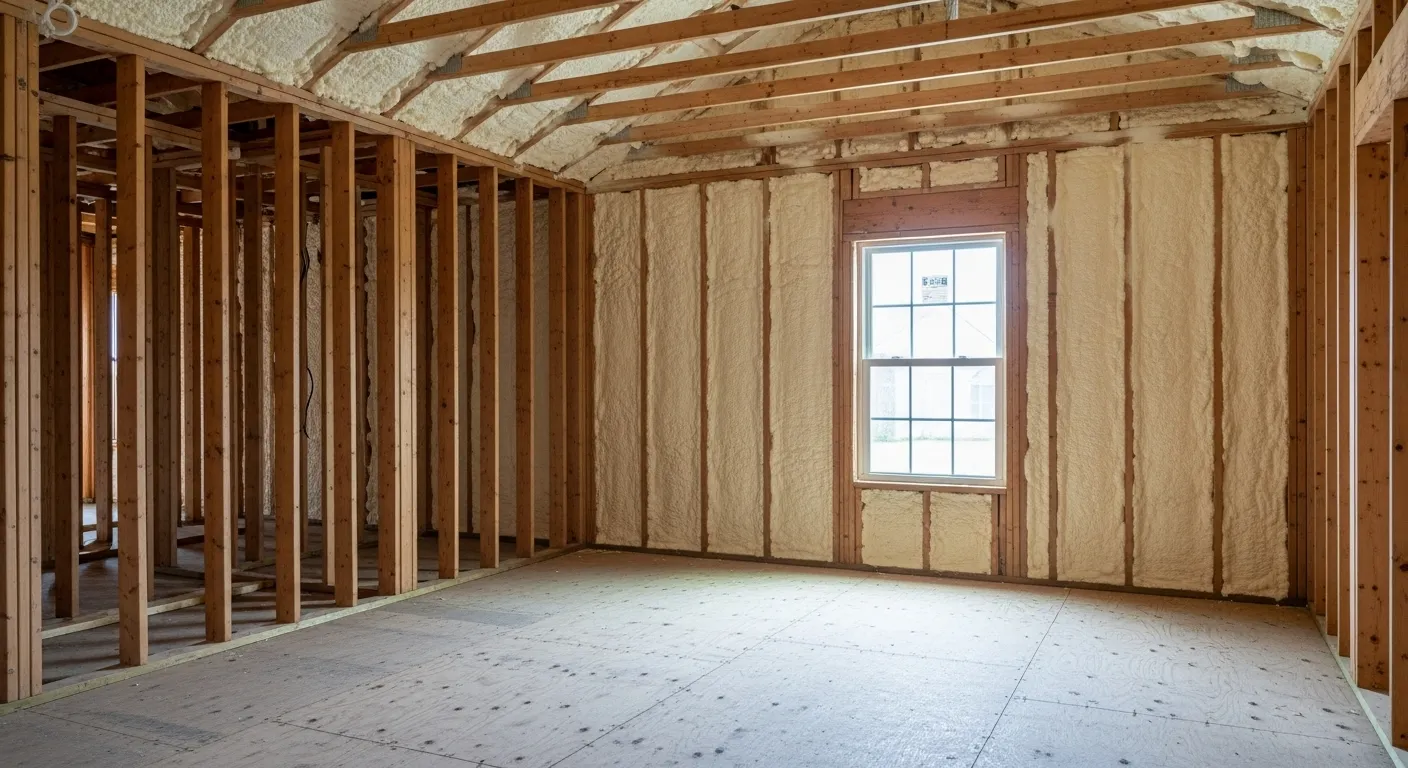
Say goodbye to shivering through damp Tigard mornings while enjoying a cool living room during a summer heatwave without your air conditioner running constantly. Installing high-performance residential spray foam insulation transforms your daily living environment by creating a seamless, airtight seal that locks in comfort and drastically lowers monthly energy bills. Spray Foam Specialists delivers advanced insulation solutions across Tigard and surrounding areas to protect your property and enhance your quality of life through superior climate control and energy efficiency.
Modern construction standards demand higher efficiency, and home spray foam insulation provides a superior barrier against the elements compared to traditional fiberglass or cellulose insulation. This advanced liquid material expands rapidly upon application, filling microscopic cracks, gaps, and crevices that other materials simply cannot reach. The result is a monolithic thermal envelope that effectively prevents conditioned air from escaping and stops outdoor pollutants, allergens, and moisture from infiltrating your private living space.
Property owners who choose this upgrade notice an immediate difference in sound dampening and temperature consistency throughout the house. By eliminating drafts and thermal bridges, your HVAC system operates more efficiently, extending its lifespan and significantly reducing monthly operating costs. This proactive approach to comfort ensures a stable, pleasant indoor atmosphere regardless of unpredictable weather conditions outside, making it a smart investment for long-term property value.
Understanding the residential spray foam insulation R-value is crucial for selecting the right material formulation for your specific needs and budget. The R-value measures a material's resistance to the flow of heat, and spray foam consistently outperforms older insulation types per inch of thickness. Closed-cell foam offers the highest R-value, typically around R-6 to R-7 per inch, and acts as a rigid vapor barrier, making it ideal for spaces requiring structural reinforcement and absolute moisture resistance.
Open-cell foam generally provides an R-value of approximately R-3.5 to R-3.8 per inch and is lighter and more flexible. This type allows bi-directional drying and offers excellent soundproofing, making it a cost-effective solution for interior walls and attics where extreme moisture is less of a concern. Expert technicians evaluate the building's specific architecture to recommend the precise formulation that maximizes energy efficiency and ensures durability, tailored to the unique demands of the structure.
Feature | Open Cell Foam | Closed Cell Foam |
Structure | Spongy, flexible | Rigid, dense |
R-Value (per inch) | ~3.5 - 3.8 | ~6.0 - 7.0 |
Moisture Barrier | Permeable (breathable) | Impermeable (waterproof) |
Structural Strength | Low | High (adds racking strength) |
Best For | Interior walls, soundproofing | Basements, exterior walls, and roofs |
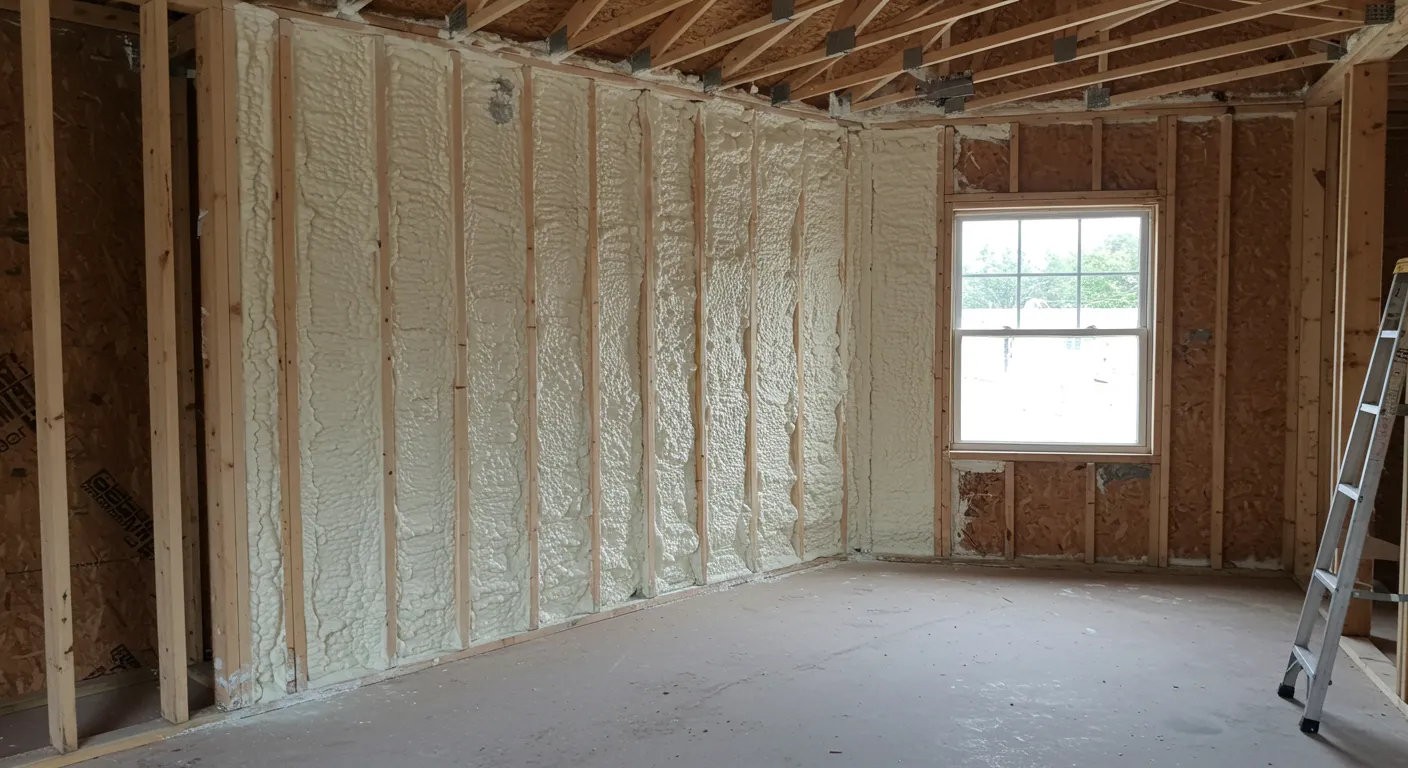
Applying spray foam for houses involves targeting critical areas where energy loss is most prevalent to establish a comprehensive shield against thermal transfer. Heat naturally rises and escapes through poorly insulated attics, while cold air often seeps in through basements, crawl spaces, and rim joists. Treating these key zones creates a complete thermal barrier that wraps the entire building envelope, ensuring that the money spent on heating and cooling stays inside the home where it belongs.
Garages and the bonus rooms located above them are also prime candidates for this treatment, as they are notorious for leaking fumes and allowing temperature fluctuations to affect the rest of the house. Sealing these spaces protects adjacent living areas from carbon monoxide and extreme cold, effectively adding usable and comfortable square footage to the property. A comprehensive approach ensures every nook and cranny contributes to the overall efficiency of the structure rather than acting as a constant drain on energy resources.
Common Application Areas:
Insulating homes with spray foam offers advantages that extend far beyond simple temperature control and lower utility bills. The airtight seal formed by the material significantly improves indoor air quality by blocking the entry of dust, pollen, and outdoor pollutants. This creates a healthier environment for families, particularly those with respiratory sensitivities or allergies, who require a clean, controlled indoor environment to maintain their well-being.
Another significant advantage involves structural protection and pest deterrence, as the hardened foam adds rigidity to walls and eliminates nesting grounds for rodents and insects. Moisture accumulation often leads to mold growth and wood rot, but the moisture-resistant properties of closed-cell spray foam prevent these damaging issues from taking root in the framework. Investing in this technology protects the building's physical integrity while ensuring a safe and comfortable habitat for all occupants.
Key Benefits:
Selecting a capable residential spray foam company ensures the project is executed safely and effectively using state-of-the-art machinery and precise techniques. Professional applications require precise temperature control and ratio mixing to ensure the chemical reaction proceeds correctly for maximum adhesion and expansion. Trained specialists use advanced proportioner units and heated hoses to deliver the material consistently, preventing issues such as shrinking or off-gassing that often occur with amateur or DIY installations.
Safety remains paramount during the application process, with crews wearing full protective gear and managing ventilation to keep the site secure for everyone involved. Proper preparation includes masking off windows, floors, and fixtures to prevent overspray damage, ensuring a clean and professional finish once the work is complete. Relying on experienced professionals guarantees that the investment yields high returns in performance without risking the safety of the household or the structural integrity of the property.
Tigard faces unique climate challenges, making high-quality residential spray foam services essential for local homeowners looking to protect their investment. The region experiences long periods of heavy rainfall and pervasive dampness, which can wreak havoc on traditional insulation materials like fiberglass that sag and lose effectiveness when wet. Spray foam remains distinctively resilient against Pacific Northwest moisture, preventing the mold and mildew issues that are all too common in this specific environment.
Furthermore, the fluctuating temperatures require an insulation solution that adapts to both chilly, wet winters and increasingly warm, dry summers. By sealing the building envelope, the system prevents the "stack effect" where warm air rises and escapes through the roof, drawing cold, damp air in from the crawl space or basement. This localized approach addresses the specific weather patterns of the area, ensuring homes remain dry, durable, and energy-efficient year-round.
Upgrade your home efficiency and comfort today by contacting Spray Foam Specialists for a comprehensive property assessment. Call (971) 777-7729 or email [email protected] to schedule your consultation in Tigard.
It creates a seamless, airtight seal that eliminates drafts and thermal bridges, keeping your living spaces consistently cool in summer and warm in winter.
The most effective areas to insulate are attics, basements, crawl spaces, and rim joists, as these zones are primary sources of energy loss and air infiltration.
Yes, particularly open-cell foam, which is flexible and excellent at dampening sound, making it a cost-effective solution for interior walls and bonus rooms.
The hardened foam fills crevices and adds rigidity to walls, effectively eliminating nesting grounds and physically blocking entry points for insects and rodents.
Yes, it acts as a proactive investment that lowers monthly utility bills, prevents moisture damage and mold, and extends the lifespan of your HVAC system.