

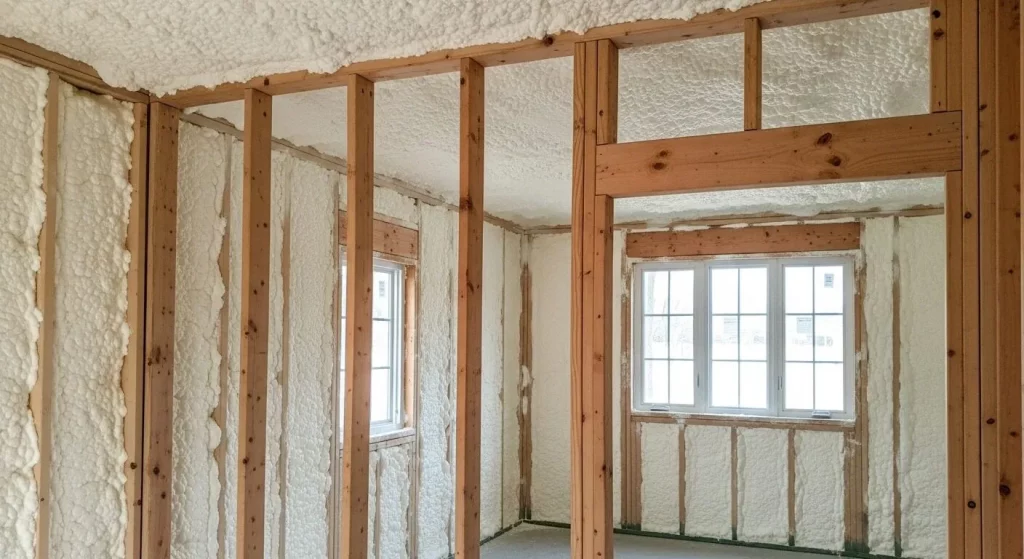
Spray foam insulation delivers R-values ranging from R-3.5 to R-8 per inch, depending on formulation and application quality. Looking toward 2026, spray foam insulation performance continues to improve with advanced formulations offering higher thermal resistance and better moisture management. The global spray foam insulation market is projected to reach $3.5 billion by 2026, driven by rising energy-efficiency requirements and sustainable building practices. This comprehensive analysis covers current R-value capabilities, performance factors affecting insulation effectiveness, and what homeowners and builders should expect from spray foam technology in the coming years.
The information provided here is based on extensive field experience with various spray foam applications across different climate zones and building types. Understanding these technical specifications helps property owners make informed decisions about insulation solutions that deliver long-term energy savings and comfort benefits.
Spray foam insulation comes in two primary formulations: open-cell and closed-cell. Each type serves different purposes and delivers distinct R-value performance. Open-cell spray foam typically provides R-3.5 to R-3.8 per inch, making it suitable for interior applications where sound dampening is beneficial. Closed-cell spray foam delivers higher R-values, usually R-6.5 to R-8 per inch, and offers superior moisture resistance and structural support.
The choice between these types depends on specific building needs, climate conditions, and budget constraints. Closed-cell foam works well in moisture-prone areas like crawl spaces and basements, while open-cell foam excels in interior wall cavities and attic spaces where breathability matters.
A clear comparison between insulation types helps understand spray foam’s superior performance characteristics:
| Insulation Type | R-Value per Inch | Typical Application | Moisture Resistance |
|---|---|---|---|
| Closed-Cell Spray Foam | R-6.5 to R-8 | Foundation, exterior walls, roofing | Excellent |
| Open-Cell Spray Foam | R-3.5 to R-3.8 | Interior walls, attics | Limited |
| Fiberglass Batts | R-2.9 to R-3.8 | Walls, attics | Poor |
| Cellulose | R-3.2 to R-3.8 | Attics, walls | Moderate |
The higher initial cost of spray foam insulation often pays for itself through reduced energy consumption. According to the U.S. Department of Energy, proper insulation can save homeowners up to 20% on heating and cooling costs annually.
Several factors will influence spray foam insulation performance as we approach 2026. Advanced blowing agents with lower global warming potential are becoming standard, improving environmental impact without sacrificing R-value. Installation quality remains critical – improper application can reduce effective R-values by 15-30% regardless of product specifications.
Climate-specific formulations are emerging, with manufacturers developing products optimized for extreme temperature conditions. In regions like the Pacific Northwest, where moisture management is essential, closed-cell formulations continue to dominate exterior applications. The integration of smart home technology with insulation performance monitoring is another trend gaining traction, allowing property owners to track actual thermal performance in real-time.
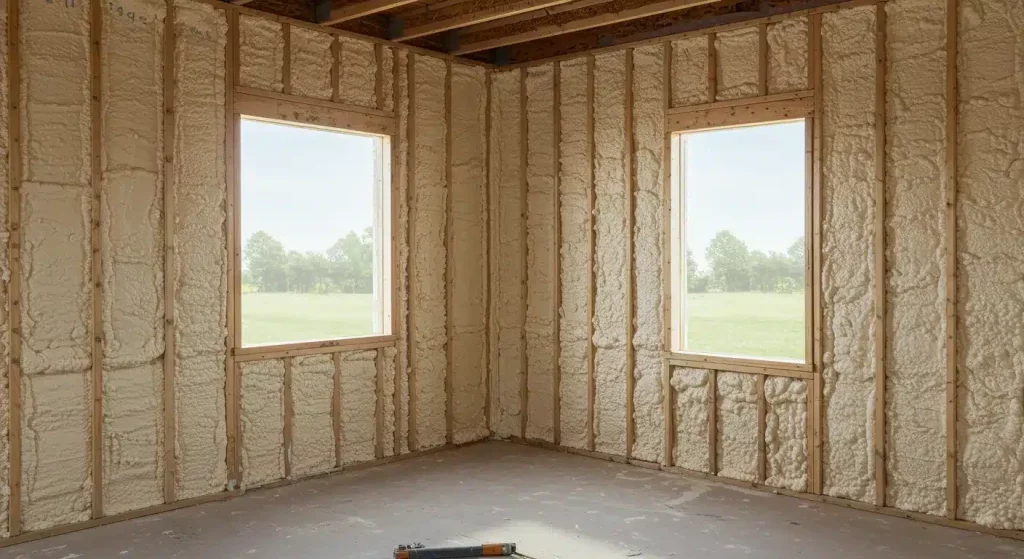
The spray foam insulation market shows robust growth, with demand particularly strong in retrofit applications for existing buildings. Research from MarketsandMarkets indicates the North American spray foam market will grow at 7.8% CAGR through 2026. This growth reflects increasing awareness of energy efficiency benefits and stricter building codes nationwide.
Environmental considerations are driving innovation in the industry. New bio-based polyols derived from renewable resources are entering the market, reducing petroleum content while maintaining performance standards. These developments address growing consumer demand for sustainable building materials without compromising insulation effectiveness.
When evaluating spray foam insulation for your property, several key factors deserve careful consideration. Building age and construction type significantly impact installation feasibility and cost-effectiveness. Older buildings with existing moisture issues may require additional preparation before foam application.
Climate zone requirements play a crucial role in product selection. The International Energy Conservation Code (IECC) establishes minimum R-value requirements that vary by geographic location. For example, homes in Zone 5 (including parts of Oregon) require higher insulation levels than those in Zone 3.
Budget constraints often influence the decision between open-cell and closed-cell formulations. While closed-cell foam offers superior performance, the higher cost may not be justified in all applications. A hybrid approach using different products in various areas of the building can optimize performance while controlling costs.
Bonus Tip: Request third-party product certification documentation before selecting an insulation contractor. This ensures materials meet stated R-value claims and environmental standards.
Bonus Tip: Consider the full insulation system rather than individual products. Air sealing, vapor barriers, and proper ventilation work together with insulation to create optimal thermal performance.
Spray foam insulation offers superior R-values compared to traditional materials, with closed-cell products reaching R-8 per inch. Performance in 2026 continues to improve through advanced formulations and better application techniques. The decision between open-cell and closed-cell products should consider climate conditions, budget constraints, and specific building requirements. Professional installation remains critical for achieving optimal thermal performance and long-term durability.
For property owners evaluating insulation options, consider both immediate energy savings and long-term building performance. Local climate conditions, building age, and existing construction all influence the most appropriate spray foam solution. Consulting with qualified professionals helps ensure your insulation investment delivers maximum value over time.
SPRAY FOAM SPECIALISTS provides comprehensive insulation assessments to determine the most effective solution for your specific needs. Contact the team at [email protected] or call (971) 777-7729 to schedule an evaluation and learn how modern spray foam insulation can improve your property’s energy efficiency and comfort. Professional guidance ensures you select the right product for your climate zone and building requirements.
Properly installed spray foam insulation can last the lifetime of the building without significant degradation in R-value performance. Most manufacturers offer 20-25 year warranties, but the material itself typically remains effective for decades.
When installed by certified professionals in accordance with the manufacturer’s guidelines, spray foam insulation is safe for residential applications. The cured foam is inert and non-toxic, similar to other construction plastics.
DIY spray foam kits are available, but professional installation is recommended for best results. Proper equipment, safety gear, and application technique significantly impact performance and prevent costly mistakes.
Spray foam insulation contains fire retardants and must meet strict fire safety standards. It typically performs similarly to other insulation materials when installed in accordance with building codes, with fire barriers required in certain applications.
Closed-cell spray foam creates an excellent moisture barrier, helping prevent mold growth when properly installed. However, addressing existing moisture problems before installation is essential for long-term success.