

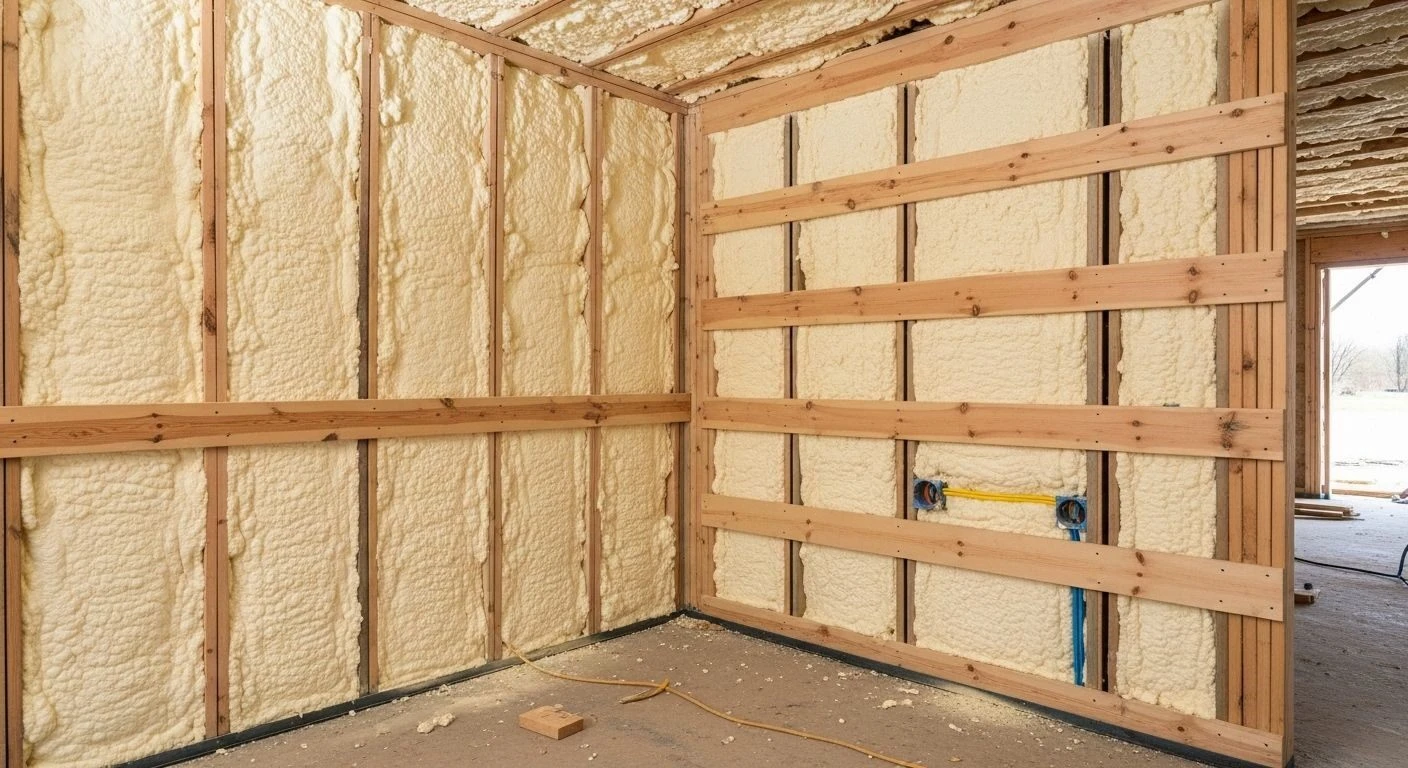
Spray foam insulation maintains consistent indoor temperatures in Hillsboro homes by creating a continuous air barrier that eliminates drafts, prevents heat transfer, and reduces thermal bridging. The expanding foam fills every gap and crack, sealing the building envelope better than traditional insulation materials. This superior air sealing prevents warm air from escaping during winter and blocks hot air from entering during summer, resulting in stable indoor temperatures regardless of outdoor weather conditions.
Hillsboro’s climate presents unique challenges with its wet winters and warm, dry summers, making temperature control particularly important for homeowner comfort and energy efficiency. The following information explains how spray foam addresses these specific regional needs through material science and proper application techniques.
Spray foam insulation works through two primary mechanisms: air sealing and thermal resistance. When applied, the foam expands up to 100 times its original volume, forcing itself into every opening in your home’s building envelope. This creates an airtight seal that traditional insulation materials like fiberglass or cellulose simply cannot match.
The foam’s closed-cell structure contains billions of tiny gas-filled bubbles that significantly slow heat transfer. This high per inch R value means less material is needed to achieve the same thermal protection as other insulation types. The material also prevents air movement through walls and attics, eliminating cold drafts in winter and hot spots in summer.
Hillsboro experiences approximately 152 days of precipitation annually, with winter temperatures averaging around 40°F and summer temperatures reaching the mid-80s. According to climate data from the Oregon Climate Service, the region’s combination of moisture and temperature fluctuations creates unique challenges for maintaining indoor comfort.
The Pacific Northwest’s marine climate means homes face both heat loss during rainy, cool months and heat gain during dry, warm periods. Spray foam’s moisture-resistant properties add another layer of protection, preventing condensation buildup that can compromise traditional insulation effectiveness over time.
A direct comparison reveals why spray foam performs differently from conventional options:
| Insulation Type | R-Value Per Inch | Air Sealing Ability | Moisture Resistance | Lifespan |
|---|---|---|---|---|
| Spray Foam | 6.5-7.0 | Excellent (seals all gaps) | Excellent (closed-cell) | 80+ years |
| Fiberglass | 3.2-3.8 | Poor (leaves gaps) | Poor (absorbs moisture) | 15-20 years |
| Cellulose | 3.2-3.8 | Fair (settles over time) | Fair (treated but can absorb) | 20-30 years |
| Mineral Wool | 3.2-3.8 | Poor (leaves gaps) | Good (naturally resistant) | 30-50 years |
The table demonstrates that spray foam provides more than double the thermal protection per inch compared to traditional materials while simultaneously solving air leakage problems that standard insulation cannot address.
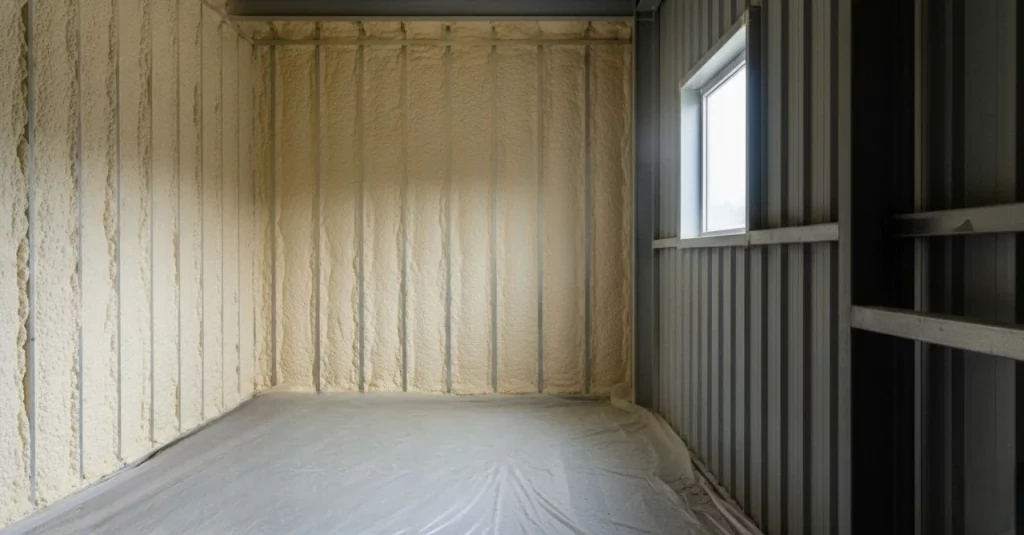
Studies have shown that properly installed spray foam insulation can reduce heating and cooling costs by 30-50% compared to traditional insulation methods. According to research from the U.S. Department of Energy, air leakage accounts for 25-40% of the energy used for heating and cooling in a typical home. By eliminating this air movement, spray foam directly targets one of the biggest sources of energy waste.
In Hillsboro specifically, where heating needs dominate energy bills for most of the year, the reduction in heat loss translates to significant savings. The initial investment typically pays for itself within 5-7 years through reduced utility costs, especially in older homes with existing air leakage issues.
Several factors should influence your decision about spray foam insulation:
Bonus Tip: Have an energy audit performed before deciding on insulation. This identifies specific problem areas in your home and helps determine if spray foam offers the best return on investment for your situation.
Professional installation is essential for achieving the performance benefits of spray foam. The process involves preparation of surfaces, application with specialized equipment, and proper curing time. Installation typically takes 1-3 days depending on home size and scope of work.
Bonus Tip: Spring and fall offer ideal installation conditions in Hillsboro, with moderate temperatures and lower humidity levels that help the foam cure properly and achieve optimal expansion characteristics.
Bonus Tip: Ask potential installers about their experience with Hillsboro’s specific climate conditions and local building requirements. Regional expertise often makes the difference between adequate and outstanding installation results.
Spray foam insulation offers Hillsboro homeowners a scientifically proven method for maintaining consistent indoor temperatures while reducing energy costs. The combination of superior thermal performance and complete air sealing addresses the specific challenges posed by Oregon’s marine climate. When properly installed, spray foam provides a permanent solution to temperature regulation problems that traditional insulation cannot solve.
Evaluate your home’s specific needs, current insulation performance, and long-term energy goals when considering this investment. The right insulation choice depends on your home’s age, construction, and your comfort requirements throughout the varying seasons of the Pacific Northwest.
For detailed information about spray foam insulation options for your Hillsboro property, contact SPRAY FOAM SPECIALISTS at [email protected] or call (971) 777-7729 to schedule a comprehensive energy evaluation and insulation assessment tailored to your specific needs.
When properly installed and fully cured, spray foam is completely safe for residential use. The material meets or exceeds all federal and state safety standards. Professional installers ensure proper ventilation during application and verify complete curing before occupancy.
Spray foam insulation is designed to last the lifetime of your home without degradation. Unlike fiberglass which can settle and lose effectiveness over time, spray foam maintains its R-value and air sealing properties for 80+ years according to manufacturer testing.
Properly installed spray foam creates controlled ventilation rather than making homes “too tight.” Modern building science recognizes that controlled air exchange through mechanical ventilation systems is more efficient than random air leakage through building gaps.
Yes, spray foam can be installed in existing homes during renovation projects or as a standalone insulation upgrade. Common applications include attics, crawl spaces, and wall cavities accessible through interior or exterior work.
While spray foam costs 2-3 times more upfront than traditional insulation, the energy savings typically recover this premium within 5-7 years. Over the lifespan of the insulation, total cost of ownership is often significantly lower due to reduced energy bills and the absence of replacement costs.