

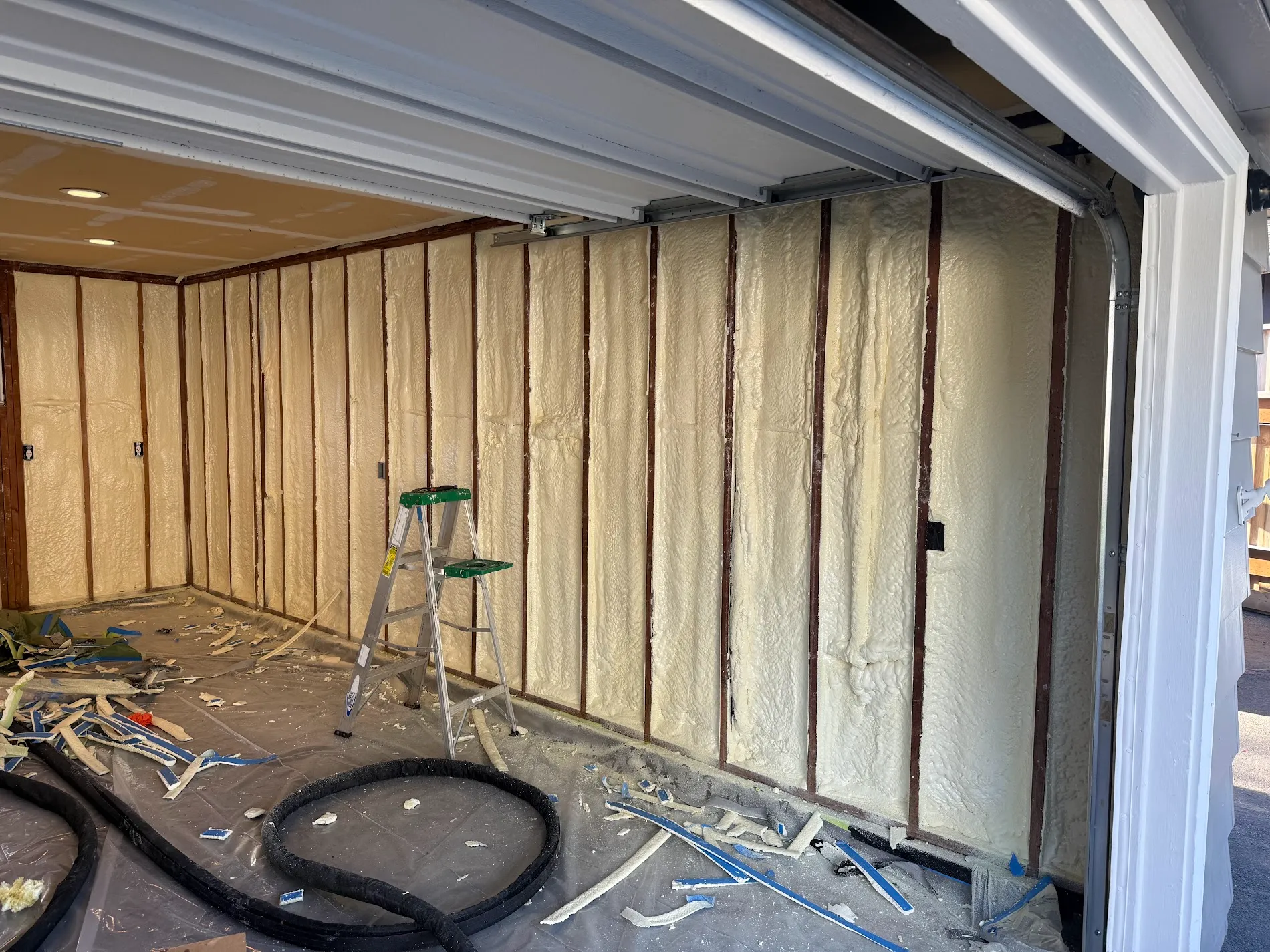
You’ve probably felt it before – that draft creeping through your walls in winter, or the unbearable heat that seems to bake your home in summer. What if you could solve these problems with one comprehensive solution that not only eliminates those uncomfortable drafts but also slashes your energy bills? Spray foam insulation has become the go-to choice for homeowners and builders looking to create energy-efficient, comfortable spaces. This guide will walk you through everything you need to know about spray foam insulation, from the basic science behind it to installation, costs, and long-term benefits.
What you’ll learn in this comprehensive guide:
This information comes from years of hands-on experience in the insulation industry, working with hundreds of homes and buildings to solve their unique thermal challenges. By the end of this guide, you’ll have the knowledge to make informed decisions about whether spray foam insulation is right for your property.
Spray foam insulation is a chemical product that starts as two separate liquids and expands into foam when mixed and applied. Unlike traditional fiberglass or cellulose insulation, spray foam creates an air-tight seal that fills gaps, cracks, and voids in your building’s envelope. The result is superior thermal performance and moisture barrier protection in one application.
The science behind spray foam involves a chemical reaction between isocyanate and polyol resin components. When these components meet at the application nozzle, they react rapidly, expanding 20 to 30 times their original volume and hardening into a cellular plastic material. This expansion allows the foam to get into every nook and cranny, creating a continuous insulation layer without gaps or seams.
There are two primary types of spray foam insulation, each with distinct properties and applications. Understanding the differences is crucial for choosing the right product for your specific needs.
Open-cell spray foam is softer and more flexible, with cells that aren’t completely closed. This creates a semi-permeable foam that allows water vapor to pass through while still blocking air movement. Closed-cell foam has completely sealed cells, making it rigid, dense, and moisture-impermeable. This fundamental difference affects everything from R-value to cost to application scenarios.
Open-cell foam typically has an R-value of 3.5 to 3.8 per inch, making it less thermally efficient than closed-cell alternatives. However, it excels in sound dampening and is more cost-effective for large areas. It’s ideal for interior applications, attics, and soundproofing between rooms. The semi-permeable nature allows your home to breathe, which can be beneficial in certain climate zones.
Common applications for open-cell foam:
Closed-cell foam offers superior performance with an R-value of 6.0 to 7.0 per inch – roughly double that of open-cell. Its density makes it structurally supportive, adding strength to walls and roofs. The moisture barrier properties make it excellent for below-grade applications, metal buildings, and areas prone to water exposure.
Common applications for closed-cell foam:
| Feature | Open-Cell Foam | Closed-Cell Foam |
|---|---|---|
| R-Value per Inch | 3.5-3.8 | 6.0-7.0 |
| Density | 0.5 lb/ft³ | 1.5-2.0 lb/ft³ |
| Water Resistance | Semi-permeable | Moisture barrier |
| Sound Dampening | Excellent | Good |
| Cost per Square Foot | Lower | Higher |
| Expansion Rate | Up to 100x | 30x |
Key Takeaways: Open-cell foam is your budget-friendly choice for interior applications and sound control, while closed-cell foam provides premium performance for exterior applications and moisture-prone areas. The right choice depends on your specific needs, climate, and budget.
Spray foam insulation works through three fundamental principles: air sealing, thermal resistance, and moisture control. Understanding these mechanisms helps explain why spray foam outperforms traditional insulation materials.
Traditional insulation materials like fiberglass and cellulose are essentially filters – they slow down air movement but don’t stop it. Air can still circulate through gaps and around the edges of these materials. Spray foam, however, creates a continuous air barrier. The expanding foam fills every crack and crevice, preventing air infiltration completely.
According to the U.S. Department of Energy, air leakage accounts for 25-40% of the energy used for heating and cooling in a typical home. By eliminating air movement, spray foam can significantly reduce your energy consumption. A study from the National Renewable Energy Laboratory found that homes with spray foam insulation used 40-50% less energy for heating compared to homes with conventional insulation.
The R-value measures thermal resistance – how well a material resists heat flow. Higher R-values mean better insulating properties. What makes spray foam special isn’t just its high R-value per inch, but its ability to deliver consistent performance. Traditional insulation can settle, creating gaps that reduce effectiveness. Spray foam remains stable and maintains its R-value over time.
Moisture management is crucial for building health and longevity. Closed-cell spray foam acts as a vapor barrier, preventing moisture from passing through walls. This prevents condensation, mold growth, and structural damage. Open-cell foam, while not a complete vapor barrier, helps manage moisture by allowing some vapor transmission while blocking air movement.
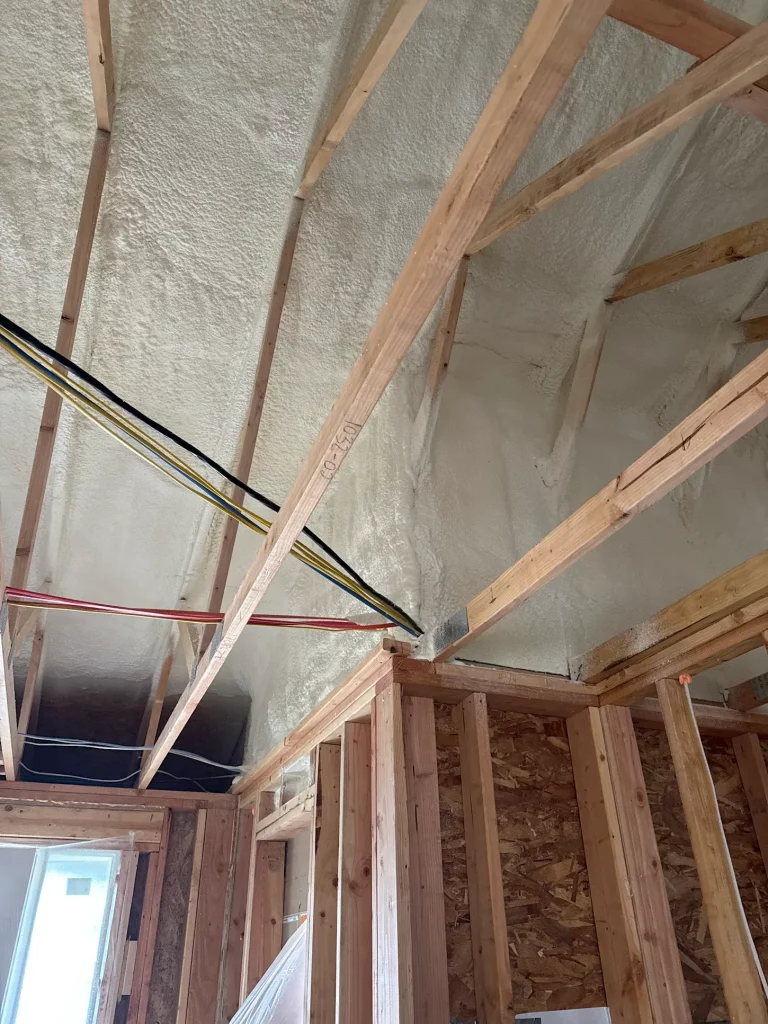
Professional spray foam installation follows a systematic process that ensures optimal performance and safety. Here’s what to expect when you have spray foam installed in your home or building.
Proper preparation is critical for successful spray foam application. The area must be clean, dry, and free of dust or contaminants. Electrical outlets should be covered, and any surfaces you don’t want foam on need protection. The temperature should be between 60-80 degrees Fahrenheit for optimal foam expansion and curing.
Expert Tip: Before installation, have your contractor perform a blower door test to identify air leakage points. This creates a baseline measurement to verify the effectiveness of your insulation after installation.
Trained professionals use specialized equipment to spray the foam mixture. The process involves:
After application, spray foam goes through a curing process that takes 24-72 hours, depending on the product and environmental conditions. During this time, the foam off-gasses, which is why proper ventilation and evacuation of the premises are crucial. Once fully cured, the foam is inert and safe.
Expert Tip: Don’t rush back into newly insulated areas. Even after the initial cure time, wait an additional 24 hours before spending extended time in the space to ensure all off-gassing has completed.
The decision to install spray foam insulation offers numerous benefits that extend beyond simple energy savings. These advantages make it a worthwhile investment for most homeowners and building owners.
Spray foam insulation can reduce your heating and cooling costs by 30-50%, according to the U.S. Environmental Protection Agency. The air sealing properties alone account for much of this savings, but the superior R-value adds additional benefits. Many homeowners report that their spray foam investment pays for itself in 3-5 years through energy savings alone.
The market reflects this growing demand. The global spray foam insulation market was valued at billions in 2021 and is expected to grow at a compound annual growth rate of 5.8% through 2028, according to data from Grand view Research. This growth is driven by increasing energy costs and building code requirements for better insulation.
Spray foam creates an air-tight envelope that prevents outdoor pollutants, allergens, and moisture from entering your living space. This controlled environment enables better management of indoor air quality through effective ventilation systems. Many homeowners report reduced allergy symptoms and fewer respiratory issues after installing spray foam insulation.
Closed-cell spray foam adds structural strength to walls and roofs. Its rigidity can increase racking strength by up to 300%, making buildings more resistant to wind and seismic forces. This benefit is particularly valuable in areas prone to severe weather or earthquakes.
Unlike fiberglass insulation that can sag, settle, or become water-damaged over time, spray foam maintains its properties indefinitely. It doesn’t support mold growth and doesn’t provide food for pests. When properly installed, spray foam insulation lasts the life of your building without degradation in performance.
Key Takeaways: Spray foam insulation delivers benefits that go far beyond basic temperature control. From structural reinforcement to improved air quality and long-term durability, these advantages compound over time, making spray foam an investment that keeps giving back.
Many utility companies and government programs offer incentives for energy-efficient upgrades. The Inflation Reduction Act of 2022 provides tax credits for residential energy efficiency improvements. Check with your local utility provider and state energy office for available programs that can reduce your out-of-pocket costs by 10-30%.
Expert Tip: When calculating ROI, don’t forget to include the value of improved comfort and air quality. While harder to quantify monetarily, these benefits significantly impact your quality of life and should factor into your decision.
Even with professional installation, spray foam insulation projects can encounter challenges. Understanding these potential issues helps you prepare and make informed decisions.
Improper installation is the most common issue with spray foam insulation. Problems include:
Solution: Always work with certified, experienced installers. Ask for references and examples of previous work. Verify that installers are properly trained and use calibrated equipment.
While spray foam controls moisture, improper application can trap existing moisture or create condensation problems. This is particularly true in retrofit applications where moisture may already be present in wall cavities.
Solution: Before installation, ensure your building envelope is properly sealed, and any existing moisture issues are resolved. Consider using open-cell foam in applications where some moisture vapor transmission is desirable.
The upfront cost of spray foam can be prohibitive for some homeowners. Budget constraints often lead people to choose less effective insulation options.
Solution: Consider a phased approach, starting with areas that will have the greatest impact (such as attics or rim joists). Look into financing options specifically for energy-efficiency upgrades, which often offer favorable terms.
Building codes vary by location, and some areas have specific requirements for spray foam insulation. Ignoring these regulations can lead to costly corrections.
Solution: Work with contractors who are familiar with local codes and pull necessary permits. Always get inspections when required by your jurisdiction.
Expert Tip: If you’re doing a major renovation, consult with a building science professional who can conduct a whole-house assessment. This ensures your insulation strategy works with your HVAC system for optimal performance.
Safety should always be a priority when dealing with spray foam insulation. Understanding the potential hazards and proper precautions protects both installers and building occupants.
The chemical components in spray foam insulation can be hazardous before they fully react and cure. Key safety considerations include:
Once properly cured, spray foam insulation is considered inert and safe. However, some precautions remain important:
Some concerns have been raised about the health effects of spray foam insulation. Most issues arise from improper installation or incomplete curing. When installed correctly by professionals, spray foam insulation has a long safety record and is approved for residential use by major building code organizations.
Expert Tip: If you notice persistent chemical odors after spray foam installation, contact your installer immediately. Properly cured spray foam should not have detectable odors. This could indicate installation issues that need to be addressed.
The quality of your spray foam insulation depends almost entirely on the installer’s expertise. Finding the right professional is crucial for ensuring you get the performance and safety you expect.
A qualified spray foam installer should have:
Before hiring an installer, ask these important questions:
Be cautious of installers who:
Expert Tip: The cheapest quote often ends up costing more in the long run. Poor installation can lead to moisture problems, reduced energy savings, and expensive corrections. Choose quality over price when it comes to spray foam installation.
One of the advantages of spray foam insulation is its minimal maintenance requirements. However, understanding how to maintain it and what to expect over time helps ensure long-term performance.
Spray foam insulation itself requires virtually no maintenance once properly installed. However, the overall performance of your insulation system depends on maintaining other building components:
Unlike fiberglass insulation that can settle and lose R-value over time, spray foam maintains its properties indefinitely. Studies have shown that properly installed spray foam insulation performs just as well after 20+ years as it did when first installed. The foam doesn’t settle, compress, or degrade under normal conditions.
While rare, problems can develop with spray foam insulation. Watch for:
Spray foam insulation typically doesn’t require replacement unless damaged. However, you might consider adding to or upgrading your insulation when:
The spray foam industry continues to evolve with new technologies and formulations aimed at improving performance and environmental impact. Understanding these trends helps you make future-proof decisions about your insulation strategy.
The industry is moving toward more environmentally friendly products, including:
Integration with smart home technology is an emerging trend. Future spray foam systems may include:
Building codes continue to evolve with increasing focus on energy efficiency. Future requirements will likely:
The Spray Polyurethane Foam Alliance reports continued growth in residential applications, driven by increasing energy costs and consumer awareness. This growth means:
Expert Tip: When planning your insulation project, consider future requirements. Installing slightly higher R-values today can position you well for future code changes and energy cost increases.
You now have a comprehensive understanding of spray foam insulation and how it can transform your home’s energy efficiency and comfort. The key takeaways are clear: spray foam provides superior air sealing and insulation performance that traditional materials simply can’t match. While the initial investment is higher, the long-term benefits in energy savings, home value, and indoor comfort make it a worthwhile choice for most homeowners.
Remember that quality installation is just as important as the product itself. Take the time to find qualified professionals who understand your specific needs and local requirements. Start with a comprehensive energy audit to identify your biggest opportunities for improvement, and consider a phased approach if budget constraints are a concern.
Your spray foam insulation journey doesn’t end with installation. Regular monitoring of your energy use and comfort levels will help you verify that you’re getting the expected performance. Keep this guide as a reference as you move forward with your insulation project, and don’t hesitate to seek professional guidance when making decisions about your home’s energy efficiency.
Making decisions about your home’s insulation can be complex. SPRAY FOAM SPECIALISTS has helped hundreds of homeowners navigate the insulation selection process and achieve their energy efficiency goals. Whether you need help determining which type of spray foam is right for your project or want a professional assessment of your current insulation situation, expert guidance is available. Contact the team at [email protected] or call (971) 777-7729 to schedule a consultation and take the first step toward a more comfortable, energy-efficient home.
When properly installed, spray foam insulation lasts the lifetime of your building without degradation. The foam itself is inert and stable, maintaining its R-value and air sealing properties indefinitely. Unlike fiberglass, it won’t settle, compress, or absorb moisture that reduces performance.
Yes, when properly installed by professionals, spray foam insulation is completely safe. The chemical components react during application and become inert after curing. The curing process typically takes 24-72 hours, during which time the space should be ventilated and unoccupied. Once fully cured, the foam doesn’t off-gas harmful chemicals and is approved for residential use.
DIY spray foam installation is not recommended for anything beyond very small, well-ventilated projects. Professional installation requires specialized equipment, safety training, and experience to achieve proper coverage and thickness. Improper installation can lead to poor performance, moisture problems, and health issues.
No, spray foam insulation actually helps prevent mold growth. It creates an air-tight seal that prevents moisture intrusion and doesn’t provide food sources for mold. However, if there are existing moisture problems in your walls, these must be addressed before installation to prevent trapping moisture behind the foam.
Savings vary by climate, home size, and current insulation, but most homeowners reduce heating and cooling costs by 30-50% after installing spray foam insulation. The U.S. Department of Energy estimates that air sealing alone can reduce energy costs by 10-20%, with additional savings coming from the superior R-value of spray foam.
For most homeowners, yes. While the upfront cost is 2-3 times higher than traditional insulation, the long-term energy savings, increased home value, improved comfort, and durability provide a strong return on investment. Most homeowners recoup their investment within 5-8 years through energy savings alone.