

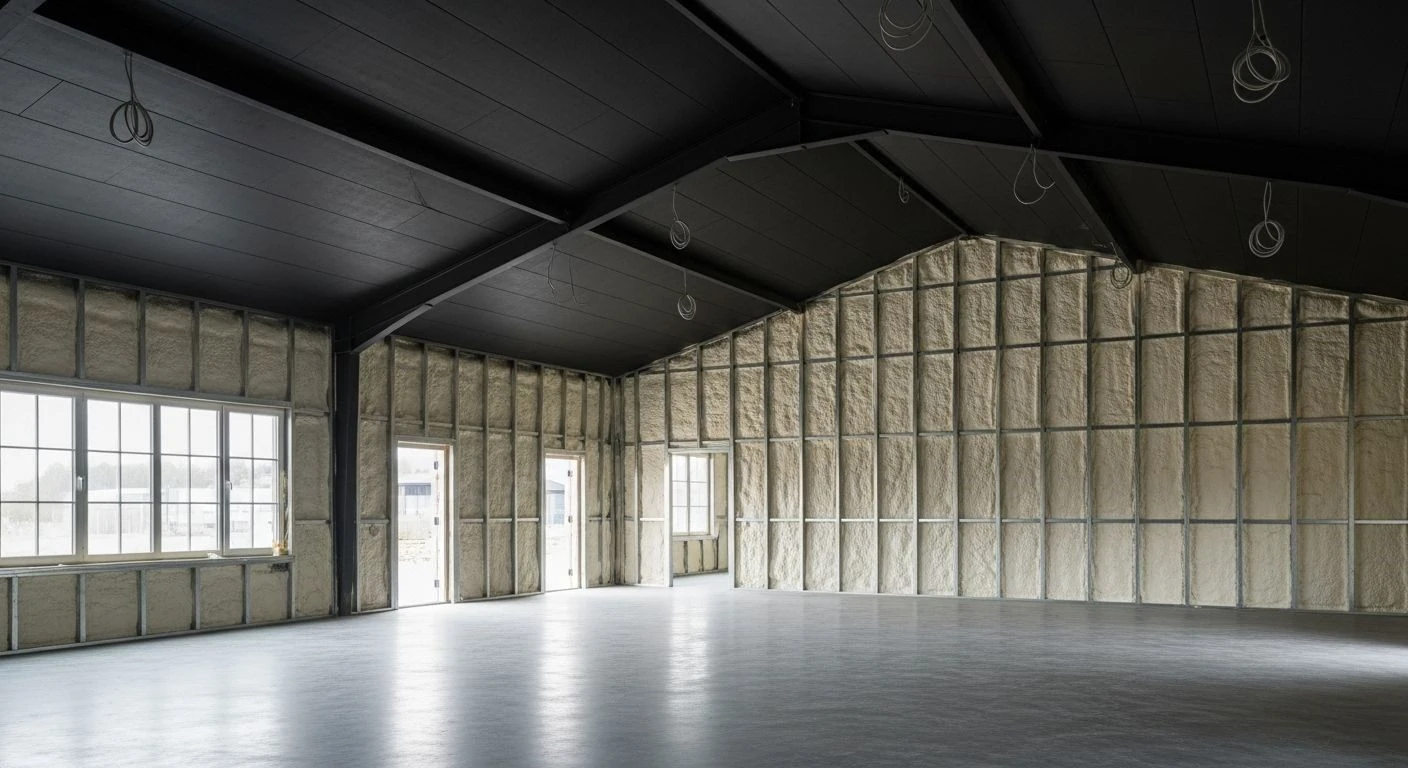
Spray foam insulation delivers exceptional thermal performance and air sealing for Tualatin homes, but it comes with significant cost considerations and installation challenges. This insulation type can reduce energy bills by up to 50% compared to traditional materials, yet requires professional installation and careful planning. The decision ultimately depends on your budget, home’s condition, and long-term energy savings goals in the Pacific Northwest climate.
For homeowners in Tualatin, understanding the trade-offs between spray foam and conventional insulation options is essential. The Willamette Valley’s damp winters and moderate summers create specific insulation needs that spray foam can address effectively. SPRAY FOAM SPECIALISTS has extensive experience with local building conditions and energy requirements, providing the knowledge needed to navigate these decisions properly.
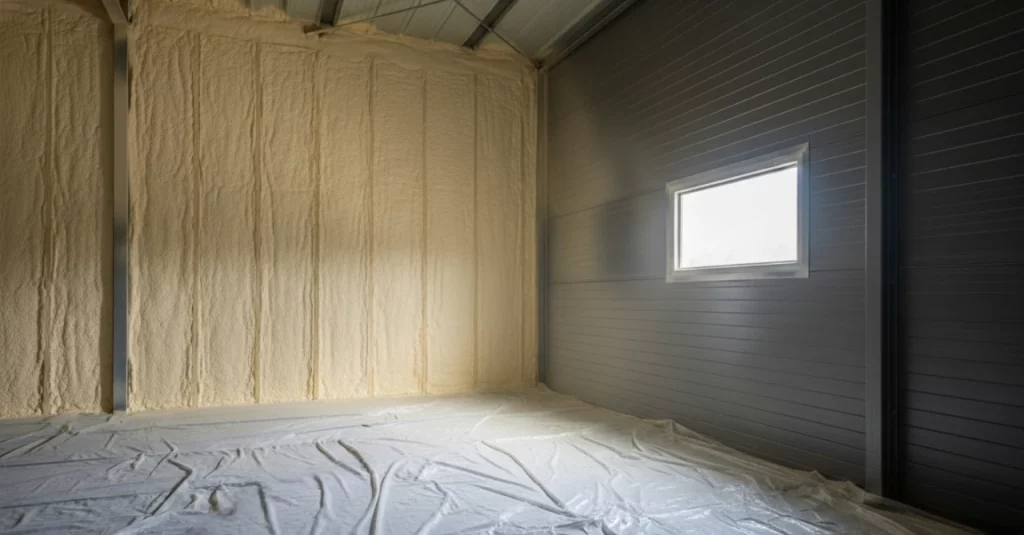
Spray foam insulation is a polyurethane product that expands on application, filling gaps and creating an airtight seal. Two types exist: open-cell and closed-cell foam. Open-cell foam is less dense, more flexible, and costs about 25% less than closed-cell varieties. Closed-cell foam provides higher R-value per inch, acts as a moisture barrier, and adds structural strength to walls.
The application process involves spraying liquid chemicals that react and expand within seconds. Professional installers use specialized equipment to achieve the right thickness and coverage. In Tualatin’s climate, both types can be effective, but closed-cell foam often performs better in moisture-prone areas like crawl spaces and basements.
Spray foam’s primary benefit is its superior insulation performance. With R-values ranging from 3.5 to 7 per inch, it outperforms fiberglass and cellulose significantly. According to the U.S. Department of Energy, proper air sealing can save homeowners up to 15% on heating and cooling costs annually.
The material creates an airtight barrier that prevents drafts and energy loss. For Tualatin homes dealing with moisture issues, closed-cell foam offers water resistance that helps prevent mold growth. It also blocks allergens and pollutants from entering living spaces, improving indoor air quality.
Bonus Tip: Spray foam can eliminate the need for separate vapor barriers in most applications, simplifying construction and reducing material costs.
Homeowners appreciate how spray foam fills every crack and crevice, unlike batt insulation that leaves gaps. This comprehensive coverage is particularly valuable in older Tualatin homes with irregular framing or existing air leaks.
The most significant drawback is cost. Spray foam installation typically runs $2 to $6 per square foot, compared to $0.50 to $1.50 for traditional fiberglass insulation. A 1,500-square-foot home might need $8,000 to $24,000 for complete insulation coverage.
Installation complexity presents another challenge. The chemicals require precise mixing and temperature control. Improper application can lead to off-gassing issues, reduced performance, or even structural damage. This complexity means professional installation isn’t optional—it’s mandatory.
Spray foam also makes future modifications difficult. Running new wiring or plumbing through insulated walls becomes challenging, requiring careful planning during initial installation. Some homeowners find the permanent nature concerning if they anticipate renovation needs.
| Insulation Type | R-Value per Inch | Air Sealing | Moisture Barrier | Lifespan |
|---|---|---|---|---|
| Closed-Cell Spray Foam | 6.5-7.0 | Excellent | Yes | 80+ years |
| Open-Cell Spray Foam | 3.5-4.0 | Excellent | No | 80+ years |
| Fiberglass Batts | 2.2-3.8 | Poor | No | 20-30 years |
| Cellulose | 3.2-3.8 | Good | Limited | 30-40 years |
The table shows why spray foam commands premium pricing despite higher installation costs. According to data from the Home Insulation Contractors Association, spray foam installations have increased by 23% in the Pacific Northwest over the past five years, reflecting growing homeowner recognition of its benefits in the region’s challenging climate conditions.
Evaluate your home’s current insulation situation first. If you have adequate insulation but poor air sealing, targeted spray foam applications might provide the best return on investment. Consider focusing on critical areas like attics, rim joists, and crawl spaces rather than whole-house installation.
Bonus Tip: In Tualatin’s climate, prioritizing attic and crawlspace insulation often delivers the biggest energy savings, as these areas experience the greatest temperature differentials.
Assess your budget constraints carefully. While spray foam offers better long-term performance, the upfront cost may not make sense if you plan to sell within 5-7 years. Factor in potential rebates from local utilities—Energy Trust of Oregon sometimes offers incentives for insulation upgrades that improve energy efficiency.
Consider your home’s age and condition. Older homes with existing moisture issues need evaluation before spray foam installation. The material’s air sealing properties can trap moisture if applied over damp surfaces, potentially causing hidden damage.
Bonus Tip: Schedule an energy audit before making insulation decisions. The $300-500 cost often identifies specific insulation problem areas where targeted spray foam applications provide maximum benefit.
Spray foam insulation represents a significant investment in your home’s comfort and efficiency. The technology delivers superior thermal performance and air sealing that traditional materials cannot match. For Tualatin homeowners dealing with the Pacific Northwest’s challenging climate, these benefits often justify the higher initial costs.
The decision ultimately balances your budget, timeline, and home renovation plans. Consider starting with targeted applications in problem areas before committing to whole-house installation. Evaluate your specific situation carefully—what works for one home may not suit another, even within the same neighborhood.
Making insulation decisions requires expertise in both the technology and local conditions. SPRAY FOAM SPECIALISTS offers comprehensive assessments to help homeowners determine the best approach for their specific needs. Contact the team at [email protected] or call (971) 777-7729 to schedule a consultation. Professional evaluation ensures you get the right solution for your Tualatin home without overspending on unnecessary features.
Closed-cell spray foam performs exceptionally well in Tualatin’s moist conditions. Its moisture barrier properties prevent water infiltration while allowing controlled vapor diffusion. Open-cell foam can work in interior walls but should be avoided in crawl spaces or below-grade applications where moisture exposure is likely.
Most residential projects require 1-3 days for completion. The actual spraying happens quickly, but preparation, curing time, and protective coating applications extend the process. Weather conditions matter installers avoid working during extremely cold or humid periods, which can affect expansion and adhesion.
Homeowners typically see 30-50% reductions in heating and cooling costs after spray foam installation. The exact savings depend on your home’s size, existing insulation, and local utility rates. In Tualatin’s climate, winter heating savings usually exceed summer cooling benefits due to the region’s mild summers.
For new construction, the incremental cost over traditional insulation is relatively small when amortized across the total building budget. The long-term energy savings, comfort improvements, and potential higher resale value make spray foam an increasingly popular choice among Tualatin homebuilders and energy-conscious buyers.