

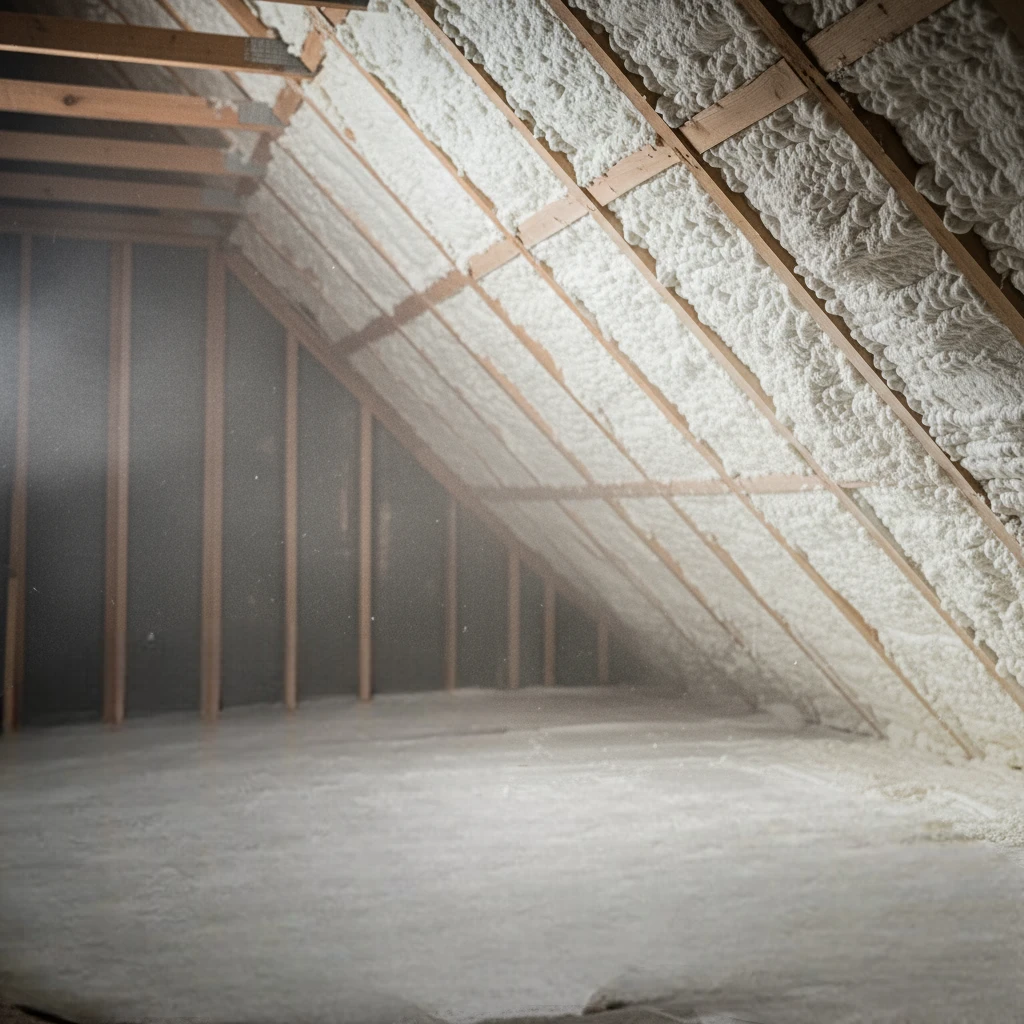
Spray foam insulation outperforms traditional fiberglass batts primarily through its superior air sealing capabilities and higher R-value per inch. Unlike fiberglass, which can leave gaps and doesn’t prevent air movement, spray foam expands to fill every cavity and creates an airtight barrier that eliminates thermal bridging and air leakage. The material’s closed-cell structure provides both insulation and air barrier in one application, while fiberglass batts separate these functions and often require additional air sealing measures to be effective.
This comprehensive guide will examine the technical differences between these insulation types, analyze real-world performance data, and help you understand which solution makes the most sense for different applications. SPRAY FOAM SPECIALISTS brings years of field experience evaluating both systems in various climate conditions and building types.
The fundamental advantage of spray foam lies in its physical properties and insulation application method. When sprayed, the polyurethane foam expands to fill gaps, cracks, and voids that fiberglass batts simply cannot reach. This expansion creates a monolithic insulation layer without thermal breaks or compression points that plague traditional batt installations.
Air leakage represents the most significant performance gap between these systems. Fiberglass batts, even when perfectly installed, allow air movement through and around the material. According to research from the U.S. Department of Energy, air leakage can account for 25-40% of heating and cooling energy loss in typical homes. Spray foam reduces this leakage to nearly zero when properly applied.
The moisture resistance difference is equally important. Closed-cell spray foam has a permeability rating of less than 1.0 perm, making it a vapor barrier in most applications. Fiberglass batts, however, can trap moisture against building components when air moves through them, potentially leading to mold growth and structural damage over time.
| Performance Metric | Closed-Cell Spray Foam | Open-Cell Spray Foam | Fiberglass Batts |
|---|---|---|---|
| R-Value per inch | 6.5-7.0 | 3.5-3.8 | 3.1-3.4 |
| Air Barrier | Yes | Yes | No |
| Vapor Barrier | Yes (closed-cell) | No | No |
| Compressibility | None (self-supporting) | None (self-supporting) | Loses R-value when compressed |
| Gap Filling | Expands to fill all voids | Expands to fill all voids | Cannot fill gaps effectively |
| Installation precision required | Moderate | Moderate | High for optimal performance |
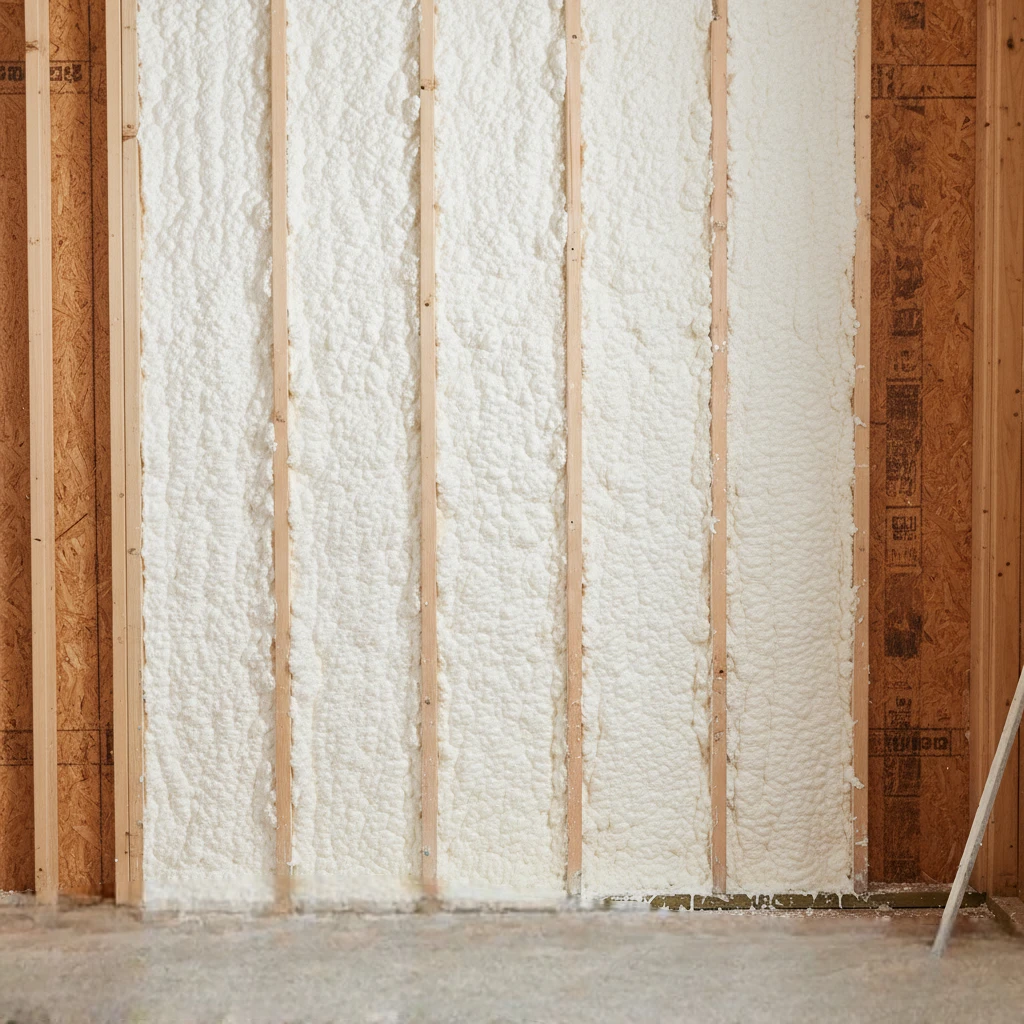
Climate zones play a crucial role in determining the most cost-effective insulation choice. In the Pacific Northwest’s mixed-humid climate, the vapor barrier properties of closed-cell spray foam help prevent moisture accumulation during winter months when warm interior air condenses on cold surfaces. The material also performs exceptionally well in coastal areas where humidity levels remain high year-round.
For hot, dry climates common in the Southwest, open-cell spray foam often provides the best balance of performance and cost. While it doesn’t function as a vapor barrier, its air sealing capabilities significantly reduce air conditioning loads by preventing hot outdoor air from infiltrating the building envelope.
According to market analysis published by Grand View Research, the spray foam insulation market is experiencing accelerated growth in regions with extreme weather conditions, suggesting increased recognition of its superior performance capabilities in challenging climates.
The effectiveness of either insulation system depends heavily on installation quality. Spray foam insulation requires specialized equipment and trained applicators to achieve consistent density and coverage. Poorly mixed foam or incorrect application temperatures can result in suboptimal performance and off-gassing issues.
Fiberglass batts, while seemingly simple to install, present their own quality control challenges. Batt insulation must be installed without gaps, compression, or voids to achieve its rated performance. Around electrical boxes, plumbing penetrations, and at framing connections, installers must carefully cut and fit batt material – a process where mistakes are common and often difficult to detect after drywall installation.
SPRAY FOAM SPECIALISTS has found that even experienced builders sometimes overlook critical air sealing details that render fiberglass installations far less effective than their laboratory-rated R-values would suggest.
Building age and structure significantly influence the optimal insulation choice. Existing homes with settled framing and numerous penetrations often benefit most from spray foam’s ability to conform to irregular spaces and seal air leaks that would be impractical to address with traditional materials.
Initial cost versus long-term value represents another key consideration. Spray foam typically costs 2-3 times more upfront than fiberglass batts, but the energy savings and potential reduction in HVAC equipment sizing can provide payback periods of 5-7 years in many applications. The Building Performance Association reports that homes with spray foam insulation typically achieve 30-50% higher energy efficiency than comparable fiberglass-insulated homes.
Fire safety requirements differ between systems. While both materials meet standard fire codes when properly covered, spray foam requires thermal barriers in occupied spaces, adding complexity to installation planning. Some jurisdictions have specific restrictions on spray foam use that may impact your project timeline and costs.
Bonus Tip: For retrofit projects where interior access is limited, consider spray foam applied from the exterior during siding replacement. This approach minimizes disruption while achieving excellent air sealing.
Spray foam maintains its R-value and air sealing properties indefinitely as long as it remains protected from UV exposure and physical damage. Fiberglass can settle, become moisture-compromised, or lose effectiveness through air movement over time. Most building science research indicates that properly installed spray foam will outperform fiberglass for the life of the building.
DIY spray foam kits are available for small projects, but professional installation is strongly recommended for whole-house applications. The material requires precise temperature control, proper mixing ratios, and specialized safety equipment. Improper installation can create performance problems and potential health hazards.
Modern homes require mechanical ventilation regardless of insulation type. While spray foam creates very tight building envelopes, this actually allows for better control of indoor air quality through designed ventilation systems rather than uncontrolled air leaks through the insulation layer.
Open-cell spray foam provides superior sound attenuation compared to fiberglass due to its cellular structure and ability to absorb sound waves. Closed-cell spray foam is less effective for sound control but provides better thermal performance. For maximum sound reduction, open-cell spray foam typically outperforms both closed-cell varieties and fiberglass batts.
The decision between spray foam and fiberglass insulation ultimately depends on your specific goals, budget, and building requirements. Spray foam offers superior performance through air sealing, higher R-values, and moisture resistance, making it the clear choice for energy efficiency and building durability. Fiberglass remains a viable lower-cost option when budget constraints dominate the decision-making process and when air sealing can be addressed through other methods.
Evaluate your climate zone, building design, and long-term energy cost expectations when making this important decision. The insulation choice affects not just monthly energy bills but also building comfort, durability, and indoor air quality for decades to come.
For personalized assistance determining the optimal insulation solution for your specific project, contact SPRAY FOAM SPECIALISTS at [email protected] or call (971) 777-7729. Experienced professionals can evaluate your building plans, climate considerations, and performance requirements to recommend the most cost-effective insulation strategy.