

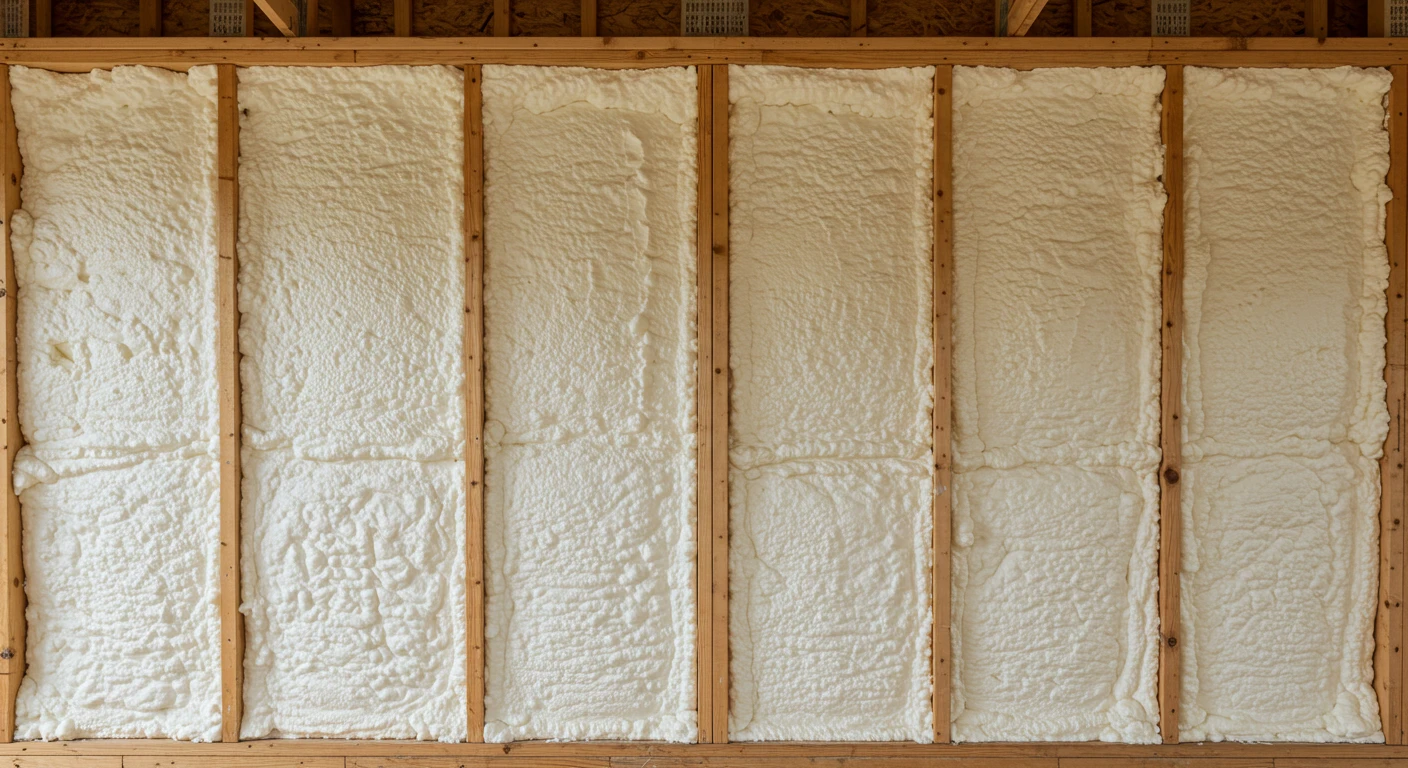
Spray foam insulation can fail when installers don’t account for Pacific Northwest moisture levels, temperature fluctuations, or proper application techniques. The most frequent problems include improper mixing ratios, inadequate surface preparation, and choosing the wrong foam type for Tigard’s climate. This comprehensive guide examines these issues and provides practical solutions to ensure successful insulation projects.
SPRAY FOAM SPECIALISTS has handled hundreds of insulation projects across the Portland metro area, developing proven methods for preventing common spray foam failures. Understanding these problems helps homeowners and contractors avoid costly repairs and achieve optimal energy efficiency.
Poor application techniques lead to the majority of spray foam problems. When installers fail to maintain consistent temperatures during application, the foam can expand incorrectly or cure improperly. Professional installers must monitor ambient temperature between 60-80 degrees Fahrenheit for optimal results.
Surface preparation directly impacts foam adhesion. Dust, oil, or moisture on application surfaces prevents proper bonding. According to the Energy Star Guide to Sealing and Insulating, failing to create a clean, airtight seal before applying insulation significantly reduces the material’s thermal effectiveness. Many failed installations trace back to installers rushing this critical preparation step.
Two-component spray foam systems require precise chemical mixing ratios. Even small variations cause significant performance problems. Off-ratio mixing produces foam that’s either too brittle or never fully cures, leading to off-gassing and structural issues.
Professional installers use calibrated equipment and regularly check mixing ratios throughout the job. DIY applications often fail here because homeowners lack access to proper mixing equipment and don’t understand the importance of ratio precision.
Tigard’s climate presents unique challenges for spray foam insulation. According to Portland.gov Climate Data, the area experiences high humidity levels averaging 73% annually and frequent rainfall, making moisture management critical.
The wet season from October through May creates particular risks for spray foam projects. Installing during damp conditions traps moisture against building materials, potentially leading to mold growth and structural damage. Professional timing of installation projects accounts for these seasonal weather patterns.
Closed-cell spray foam acts as both insulation and a vapor barrier, but this characteristic requires careful planning in the Pacific Northwest climate. Installing closed-cell foam improperly can trap moisture within wall assemblies, causing rot over time.
The key lies in understanding where vapor barriers belong in the building envelope. In Tigard’s climate, interior-facing vapor barriers typically work best, but specific project requirements vary based on construction methods and materials used.
Choosing between open-cell and closed-cell foam can be confusing for many property owners. Each type serves different purposes and works better in specific applications. IBISWorld Industry Reports show that improper material selection accounts for approximately 27% of spray foam-related callbacks.
Open-cell foam costs less but offers lower Spray Foam Insulation R-value per inch and provides little moisture resistance. It works well for interior applications in dry climates, but struggles in damp conditions like those found in Tigard basements and crawl spaces.
Some spray foam products react adversely with certain building materials. Petroleum-based foams can degrade plastic pipes or wiring insulation when applied directly. Installers must understand these compatibility issues and use appropriate barriers when necessary.
Cured spray foam can also degrade when exposed to UV light. Proper protection through coatings or coverings prevents UV damage in applications where foam remains visible.
Improper spray technique creates several common problems. Holding the spray gun too close or too far from the surface affects foam expansion patterns. Professional installers maintain consistent distances and overlapping patterns to ensure even application.
The thickness of each pass matters significantly. Applying foam too thickly in a single pass creates excessive heat during curing, potentially scorching surrounding materials or causing the foam to shrink away from surfaces. Multiple thin passes build up to the desired thickness safely.

Temperature and humidity control during curing affect final foam properties. Curing in conditions outside manufacturer’s specifications produces foam with compromised structural integrity and R-value ratings. Professional installers monitor conditions throughout the curing process.
Ventilation during application protects both installers and building occupants. Spray foam chemicals require proper ventilation during application and curing to prevent health risks from off-gassing.
| Problem Type | Primary Cause | Prevention Method |
|---|---|---|
| Poor Adhesion | Dirty/Moist Surfaces | Clean and dry surfaces, use primer |
| Off-Ratio Mixing | Equipment Calibration | Regular testing and maintenance |
| Low Expansion | Low Temperature | Maintain proper ambient temp |
| Overexpansion | High Temperature | Monitor application temp |
| UV Degradation | Exposed Foam | Apply UV-protective coatings |
Before choosing spray foam insulation, evaluate your building’s specific needs. Consider whether the structure will undergo future renovations that might require drilling through foam insulation. Closed-cell foam makes modifications more difficult than open-cell alternatives.
Budget constraints affect material selection. While closed-cell foam offers better moisture resistance and a higher R-value, it costs significantly more than open-cell options. Calculate whether the long-term energy savings justify the initial investment difference.
Successful spray foam insulation requires understanding material properties, climate factors, and proper application techniques. The most common problems—poor adhesion, incorrect mixing, and improper material selection—stem from insufficient knowledge or rushed installations.
Investing time in planning and choosing qualified professionals prevents most spray foam failures. Proper installation provides decades of energy efficiency and moisture protection for Tigard homes and businesses.
For professional guidance on spray foam insulation in the Tigard area, SPRAY FOAM SPECIALISTS offers comprehensive assessments and installation services. Contact the team at [email protected] or call (971) 777-7729 to discuss your project requirements and schedule a consultation.
Improperly installed spray foam can trap moisture against the roof decking, leading to rot. Proper ventilation and correct foam selection prevent these issues.
Unlike some other insulation materials, spray foam doesn’t provide food value for pests. However, maintaining building integrity is still the best defense against intrusion.
Closed-cell spray foam resists water absorption and maintains most insulating properties when wet. Open-cell foam absorbs water and loses its R-value until it is completely dried.
Most residential projects are completed in 1-3 days, including preparation, application, and curing.
In some cases, spray foam can be applied over existing insulation, but this requires assessment of current conditions. Most professionals recommend removing old insulation to ensure proper adhesion.
When properly installed and cured, spray foam is safe for indoor environments. However, the installation process requires proper ventilation and adherence to safety protocols.